


Multiplex Assay Kit for Apolipoprotein E (APOE) ,etc. by FLIA (Flow Luminescence Immunoassay) 

Apo-E; AD2; Apoprotein; Alzheimer Disease 2(E4-Associated,Late Onset
(Note: Up to 8-plex in one testing reaction)
- UOM
- FOB US$ 449.00 US$ 467.00 US$ 492.00 US$ 527.00 US$ 562.00 US$ 613.00 US$ 691.00 US$ 864.00
- Quantity
Overview
Properties
- Product No.LMA704Ca
- Organism SpeciesCanis familiaris; Canine (Dog) Same name, Different species.
- ApplicationsFLIA Kit for Antigen Detection.
Research use only - DownloadInstruction Manual
- CategoryMetabolic pathwayCardiovascular biologyHepatology
Sign into your account
Share a new citation as an author
Upload your experimental result
Review

Contact us
Please fill in the blank.
-
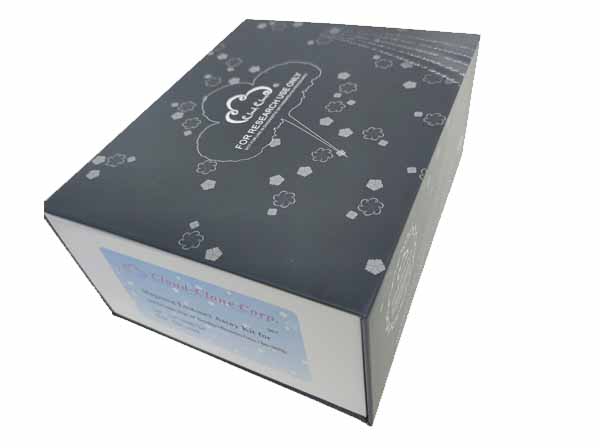 Packages (Simulation)
-
 Packages (Simulation)
-
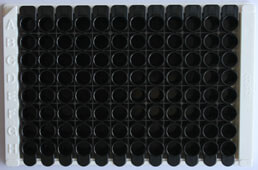 Results demonstration
-
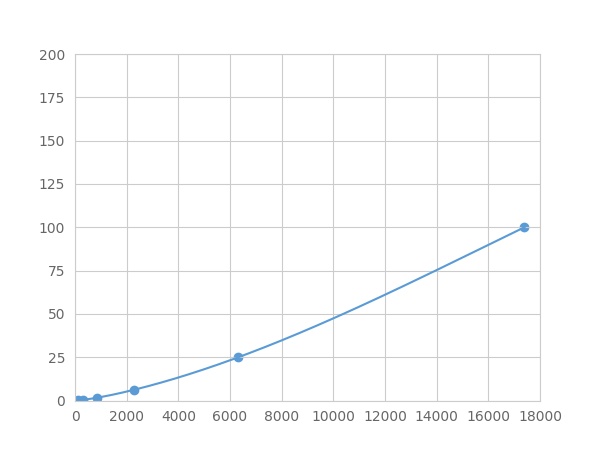 Typical Standard Curve
-
 ISO9001: 2008, ISO13485: 2003 Registered
Recovery
Matrices listed below were spiked with certain level of recombinant Apolipoprotein E (APOE) and the recovery rates were calculated by comparing the measured value to the expected amount of Apolipoprotein E (APOE) in samples.
| Matrix | Recovery range (%) | Average(%) |
| serum(n=5) | 87-101 | 91 |
| EDTA plasma(n=5) | 80-99 | 83 |
| heparin plasma(n=5) | 78-95 | 81 |
Precision
Intra-assay Precision (Precision within an assay): 3 samples with low, middle and high level Apolipoprotein E (APOE) were tested 20 times on one plate, respectively.
Inter-assay Precision (Precision between assays): 3 samples with low, middle and high level Apolipoprotein E (APOE) were tested on 3 different plates, 8 replicates in each plate.
CV(%) = SD/meanX100
Intra-Assay: CV<10%
Inter-Assay: CV<12%
Linearity
The linearity of the kit was assayed by testing samples spiked with appropriate concentration of Apolipoprotein E (APOE) and their serial dilutions. The results were demonstrated by the percentage of calculated concentration to the expected.
| Sample | 1:2 | 1:4 | 1:8 | 1:16 |
| serum(n=5) | 89-96% | 89-96% | 80-89% | 97-105% |
| EDTA plasma(n=5) | 83-97% | 96-103% | 85-94% | 84-91% |
| heparin plasma(n=5) | 86-103% | 97-105% | 95-103% | 93-101% |
Stability
The stability of kit is determined by the loss rate of activity. The loss rate of this kit is less than 5% within the expiration date under appropriate storage condition.
To minimize extra influence on the performance, operation procedures and lab conditions, especially room temperature, air humidity, incubator temperature should be strictly controlled. It is also strongly suggested that the whole assay is performed by the same operator from the beginning to the end.
Reagents and materials provided
| Reagents | Quantity | Reagents | Quantity |
| 96-well plate | 1 | Plate sealer for 96 wells | 4 |
| Pre-Mixed Standard | 2 | Standard Diluent | 1×20mL |
| Pre-Mixed Magnetic beads (22#:APOE) | 1 | Analysis buffer | 1×20mL |
| Pre-Mixed Detection Reagent A | 1×120μL | Assay Diluent A | 1×12mL |
| Detection Reagent B (PE-SA) | 1×120μL | Assay Diluent B | 1×12mL |
| Sheath Fluid | 1×10mL | Wash Buffer (30 × concentrate) | 1×20mL |
| Instruction manual | 1 |
Assay procedure summary
1. Add 200μL analysis buffer solution to each well of the plate for pre-wetting;
2. Preparation of standards, reagents and samples before the experiment;
3. Add 100μL standard or sample to each well, add 10μL magnetic beads, and incubate 120 minutes protect from light at 25°C on shaker;
4. Remove liquid on magnetic frame, add 100μL prepared Detection Reagent A. Incubate 60 minutes protect from light at 25°C on shaker;
5. Remove liquid on magnetic frame, add 100μL prepared Detection Reagent B, and incubate 30 minutes protect from light at 25°C on shaker;
6. Wash plate once on magnetic frame;
7. Add 100μL sheath fluid, swirl for 10 minutes, read on the machine.
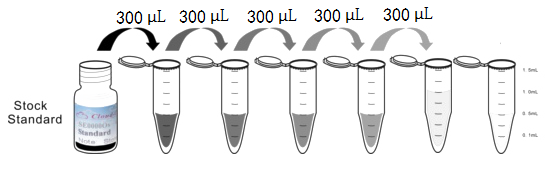
Test principle
Anti-Apolipoprotein E (APOE) antibody was coated on the surface of magnetic beads, to make solid phase carrier. Standard or sample were added to the magnetic beads, respectively, in which Apolipoprotein E (APOE) was bound to the antibody connected to the solid phase carrier, and then biotinylated anti-Apolipoprotein E (APOE) antibodies were added. PE-labeled avidin was added. There is a positive correlation between the concentration of Apolipoprotein E (APOE) in the sample and corresponding value of MFI (Median Fluorescence Intensity).
Giveaways
Increment services

Citations
- Cerebrospinal fluid apolipoprotein E concentration decreases after seizureSeizure: PIIS1059131109002441
- Hepatic lipase- and endothelial lipase-deficiency in mice promotes macrophage-to-feces RCT and HDL antioxidant propertiesPubMed: 23328279
- Expression and clinical significance of apolipoprotein E in pancreatic ductal adenocarcinomaPubmed: 23609192
- Adipocyte Atp-Binding Cassette G1 Promotes Triglyceride Storage, Fat Mass Growth And Human ObesityPubmed:25249572
- Frequencies of apolipoprotein E alleles in depressed patients undergoing hemodialysis – a case-control studyPubMed: 25707516
- Culturing of HepG2 cells with human serum improve their functionality and suitability in studies of lipid metabolismPubMed: 26515253
- Adipocyte ATP-binding cassette G1 promotes triglyceride storage, fat mass growth, and human obesityPubMed: 25249572
- Adaptive immunity against gut microbiota enhances apoE-mediated immune regulation andreduces atherosclerosis and western-diet-related inflammation.pubmed:27383250
- Differential effects of apoE and apoJ mimetic peptides on the action of an anti-Aβ scFv in 3xTg-AD micePubmed:30026023
- Deletion of plasma Phospholipid Transfer Protein (PLTP) increases microglial phagocytosis and reduces cerebral amyloid-β deposition in the J20 mouse …Pubmed:29731975
- Comparative proteomics analysis of serum proteins in gestational diabetes during early and middle stages of pregnancyPubmed: 31162828
- Hepatic HuR modulates lipid homeostasis in response to high-fat dietPubmed: 32546794
- Pathology and Proteomics-Based Diagnosis of Localized Light-Chain Amyloidosis in Dogs and CatsPubmed: 32880234
- The Significance of Apolipoprotein E Measurement in the Screening of Fetal Down Syndrome33321701
- Discovery and validation of FBLN1 and ANT3 as potential biomarkers for early detection of cervical cancer33602229
- GP73 is a TBC-domain Rab GTPase-activating protein contributing to the pathogenesis of non-alcoholic fatty liver disease without obesity34853313
- Iridium nanoclusters as high sensitive-tunable elemental labels for immunoassays: Determination of IgE and APOE in aqueous humor by inductively coupled …Pubmed:35378356
- Gold nanoclusters as elemental label for the sequential quantification of apolipoprotein E and metallothionein 2A in individual human cells of the retinal …Pubmed:35361429