


Multiplex Assay Kit for Fibronectin (FN) ,etc. by CBA (Cytometric Bead Array) 

FN1; CIG; FINC; LETS; MSF; GFND2; Anastellin; Migration-Stimulating Factor; Cold-Insoluble Globulin; Large, External, Transformation-Sensitive Protein
Overview
Properties
- Product No.CMA037Hu
- Organism SpeciesHomo sapiens (Human) Same name, Different species.
- ApplicationsFLIA Kit for Antigen Detection.
Research use only - DownloadInstruction Manual
- CategorySignal transductionInfection immunity
Sign into your account
Share a new citation as an author
Upload your experimental result
Review

Contact us
Please fill in the blank.
-
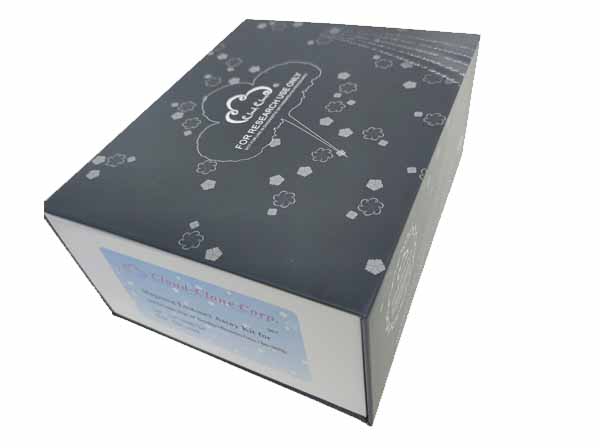 Packages (Simulation)
-
 Packages (Simulation)
-
 ISO9001: 2008, ISO13485: 2003 Registered
Recovery
Matrices listed below were spiked with certain level of recombinant Fibronectin (FN) ,etc. by CBA (Cytometric Bead Array) and the recovery rates were calculated by comparing the measured value to the expected amount of Fibronectin (FN) ,etc. by CBA (Cytometric Bead Array) in samples.
| Matrix | Recovery range (%) | Average(%) |
| serum(n=5) | 78-103 | 89 |
| EDTA plasma(n=5) | 80-89 | 83 |
| heparin plasma(n=5) | 81-93 | 86 |
Precision
Intra-assay Precision (Precision within an assay): 3 samples with low, middle and high level Fibronectin (FN) ,etc. by CBA (Cytometric Bead Array) were tested 20 times on one plate, respectively.
Inter-assay Precision (Precision between assays): 3 samples with low, middle and high level Fibronectin (FN) ,etc. by CBA (Cytometric Bead Array) were tested on 3 different plates, 8 replicates in each plate.
CV(%) = SD/meanX100
Intra-Assay: CV<10%
Inter-Assay: CV<12%
Linearity
The linearity of the kit was assayed by testing samples spiked with appropriate concentration of Fibronectin (FN) ,etc. by CBA (Cytometric Bead Array) and their serial dilutions. The results were demonstrated by the percentage of calculated concentration to the expected.
| Sample | 1:2 | 1:4 | 1:8 | 1:16 |
| serum(n=5) | 79-104% | 93-101% | 86-101% | 96-104% |
| EDTA plasma(n=5) | 94-101% | 98-105% | 79-91% | 87-95% |
| heparin plasma(n=5) | 88-99% | 90-99% | 80-93% | 83-91% |
Stability
The stability of kit is determined by the loss rate of activity. The loss rate of this kit is less than 5% within the expiration date under appropriate storage condition.
To minimize extra influence on the performance, operation procedures and lab conditions, especially room temperature, air humidity, incubator temperature should be strictly controlled. It is also strongly suggested that the whole assay is performed by the same operator from the beginning to the end.
Reagents and materials provided
| Reagents | Quantity | Reagents | Quantity |
| 96-well plate | 1 | Plate sealer for 96 wells | 4 |
| Pre-Mixed Standard | 2 | Standard Diluent | 1×20mL |
| Pre-Mixed Magnetic beads (22#:FN) | 1 | Analysis buffer | 1×20mL |
| Pre-Mixed Detection Reagent A | 1×120μL | Assay Diluent A | 1×12mL |
| Detection Reagent B (PE-SA) | 1×120μL | Assay Diluent B | 1×12mL |
| Sheath Fluid | 1×10mL | Wash Buffer (30 × concentrate) | 1×20mL |
| Instruction manual | 1 |
Assay procedure summary
1. Add 200μL analysis buffer solution to each well of the plate for pre-wetting;
2. Preparation of standards, reagents and samples before the experiment;
3. Add 100μL standard or sample to each well, add 10μL magnetic beads, and incubate 120 minutes protect from light at 25°C on shaker;
4. Remove liquid on magnetic frame, add 100μL prepared Detection Reagent A. Incubate 60 minutes protect from light at 25°C on shaker;
5. Remove liquid on magnetic frame, add 100μL prepared Detection Reagent B, and incubate 30 minutes protect from light at 25°C on shaker;
6. Wash plate once on magnetic frame;
7. Add 100μL sheath fluid, swirl for 10 minutes, read on the machine.
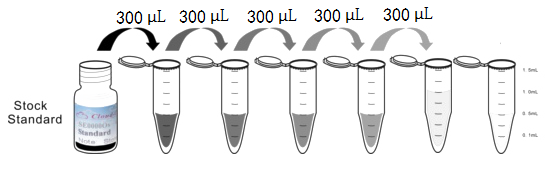
Test principle
Anti-Fibronectin (FN) ,etc. by CBA (Cytometric Bead Array) antibody was coated on the surface of magnetic beads, to make solid phase carrier. Standard or sample were added to the magnetic beads, respectively, in which Fibronectin (FN) ,etc. by CBA (Cytometric Bead Array) was bound to the antibody connected to the solid phase carrier, and then biotinylated anti-Fibronectin (FN) ,etc. by CBA (Cytometric Bead Array) antibodies were added. PE-labeled avidin was added. There is a positive correlation between the concentration of Fibronectin (FN) ,etc. by CBA (Cytometric Bead Array) in the sample and corresponding value of MFI (Median Fluorescence Intensity).
Giveaways
Increment services

Citations
- Advanced oxidation protein products induce mesangial cell perturbation through PKC-dependent activation of NADPH oxidasePubMed: 19019916
- Protein synthesis and secretion in human mesenchymal cells derived from bone marrow, adipose tissue and Wharton's jellyPubmed: 24739658
- Identification of compounds from the water soluble extract of Cinnamomum cassia barks and their inhibitory effects against high-glucose-induced mesangial cells.Pubmed: 24013407
- Bioactive compounds from Cornus officinalis fruits and their effects on diabetic nephropathyScienceDirect: S0378874114002414
- Inhibition by Female Sex Hormones of Collagen Gel Contraction Mediated by Retinal Pigment Epithelial CellsPubmed: 24609629
- Mesenchymal stromal cell proliferation, gene expression and protein production in human platelet-rich plasma-supplemented mediaPubmed:Pmc4130592
- Metabolic and cytoprotective effects of in vivo peri-patellar hyaluronic acid injections in cultured tenocytesPubmed:25333747
- Establishing principles of macromolecular crowding for in vitro fibrosis research of the vocal fold lamina propriaPubmed:25545625
- In vivo bioengineered ovarian tumors based on collagen, matrigel, alginate and agarose hydrogels: a comparative studyPubmed:25634132
- In vivoPubMed: 25634132
- Impact of Nigella Sativa, Omega-3 Fatty Acids and Chromium Picolinate onNF-κB/leptin-insulin Axisin Obese Subjects with Non-alcoholic Fatty Liver DiseaseAjmbr: 3
- Comparative proteomics of milk fat globule membrane in goat colostrum and mature milkPubmed:27173528
- Maternal endothelial damage as a disorder shared by early preeclampsia, late preeclampsia and intrauterine growth restriction.pubmed:27865093
- Effect of panax notoginseng saponins on efficacy and hemorrhagic transformation of rt-PA intravenous thrombolysis in patients with acute ischemic strokeArticle_en:CJFDTotal-XDJB201611014
- Serum fbronectin distinguishes the early stages of hepatocellular carcinomapubmed:28842594
- Pigment epithelium‑derived factor protects human glomerular mesangial cells from diabetes via NOXO1‑iNOS suppression10.3892/mmr.2017.7563
- Tenomodulin is essential for prevention of adipocyte accumulation and fibrovascular scar formation during early tendon healing.pubmed:29022912
- Effects of panax notoginseng saponin on the pathological ultrastructure and serum IL‐6 and IL‐8 in pulmonary fibrosis in rabbitsPubmed:29932250
- Corn silk (Zea mays L.), a source of natural antioxidants with α-amylase, α-glucosidase, advanced glycation and diabetic nephropathy inhibitory activitiesPubmed: 30530231
- Impact of Hydrogel Elasticity and Adherence on Osteosarcoma Cells and OsteoblastsPubmed: 30838809
- TNF-α Regulates ITGβ1 and SYND4 Expression in Nucleus Pulposus Cells: Activation of FAK/PI3K SignalingPubmed: 31111299
- Three kinds of corneal host cells contribute differently to corneal neovascularization
- Effects of autophagy on macrophage adhesion and migration in diabetic nephropathyPubmed: 31352855
- Growth hormone induces Notch1 signaling in podocytes and contributes to proteinuria in diabetic nephropathyPubmed: 31511328
- Fabrication and Evaluation of a Xenogeneic Decellularized Nerve-Derived Material: Preclinical Studies of a New Strategy for Nerve RepairPubmed: 31758411
- Molecular hydrogen regulates PTEN‐AKT‐mTOR signaling via ROS to alleviate peritoneal dialysis‐related peritoneal fibrosisPubmed: 31930571
- Damage-Associated Molecular Patterns and Th-Cell-Related Cytokines Released after Progressive EffortPubmed: 32210109
- Are the Circulating Levels of Copeptin and Fibronectin Dysregulated in Preeclamptic South African Black Women?
- Advanced glycation end-products associate with podocytopathy in type II diabetic patients
- Early mobilization in spinal cord injury promotes changes in microglial dynamics and recovery of motor functionPubmed:35586775