


Dibutyl phthalate (DBP)
Di-n-butyl phthalate; Dibutyl phth
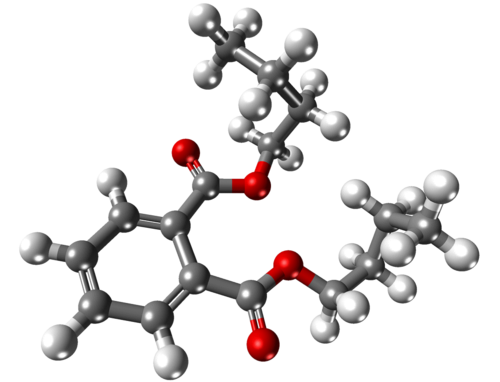
Dibutyl phthalate (DBP) is an organic diester derived from phthalic acid and *n*butanol, commonly appearing as a colorless or faintly yellow oily liquid. Its primary function is as a plasticizer, an additive that imparts flexibility, durability, and workability to otherwise rigid polymers, particularly polyvinyl chloride (PVC). Beyond plastics, DBP serves as a solvent in inks, adhesives, paints, and coatings, and is historically found in nail polishes and other cosmetics. Despite its industrial utility, DBP has attracted significant regulatory and scientific attention. It is classified as an endocrinedisrupting chemical and a reproductive toxicant. Animal studies have linked exposure to developmental abnormalities and reduced fertility. Compounding these concerns is the compound's environmental ubiquity. DBP is one of the most frequently detected phthalates in river systems and aquatic sediments worldwide, with an estimated environmental halflife of approximately 14 days under aerobic conditions. While research into safer biobased alternatives continues, DBP remains a widely used industrial chemical whose legacy and ongoing use present a persistent challenge at the intersection of material performance and public health
Organism species: Pan-species (General)
- Customized Service n/a Complete Antigen of Dibutyl phthalate (DBP) Antigenic Transformation Customized Service Offer
- Monoclonal antibody MAX376Ge21 Monoclonal Antibody to Dibutyl phthalate (DBP) In Stock
- Monoclonal antibody MAX376Ge22 Monoclonal Antibody to Dibutyl phthalate (DBP) In Stock
- Customized Service n/a CLIA Kit for Dibutyl phthalate (DBP) CLIA Kit Customized Service Offer
- Customized Service n/a ELISA Kit for Dibutyl phthalate (DBP) ELISA Kit Customized Service Offer