


Active Alpha-1-Antitrypsin (a1AT) 

SERPINA1; SPAAT; A1-AT; PI; Serpin Peptidase Inhibitor,Clade A(Alpha-1 Antiproteinase/AntiTrypsin)Member 1; Alpha-1 protease inhibitor; Short peptide from AAT; Serpin A1
Overview
Properties
- Product No.APB697Hu01
- Organism SpeciesHomo sapiens (Human) Same name, Different species.
- ApplicationsCell culture; Activity Assays.
Research use only - Downloadn/a
- CategoryEnzyme & KinaseInfection immunityHepatology
- Buffer FormulationPBS, pH7.4, containing 0.01% SKL, 5% Trehalose.
- Traits Freeze-dried powder, Purity > 90%
- Isoelectric Point5.4
Sign into your account
Share a new citation as an author
Upload your experimental result
Review

Contact us
Please fill in the blank.
-
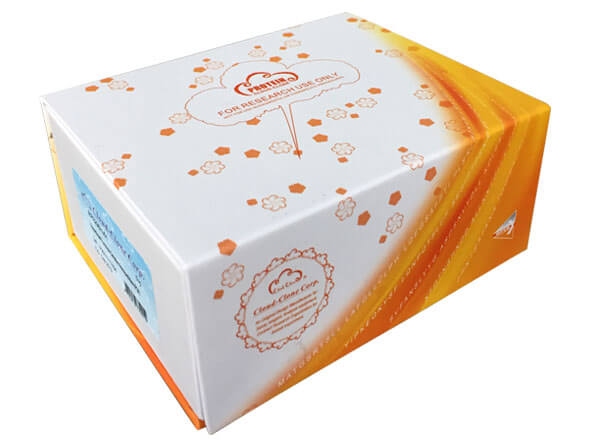 Packages (Simulation)
-
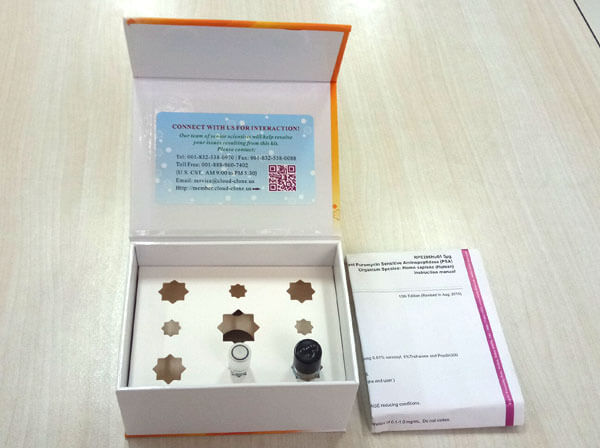 Packages (Simulation)
-
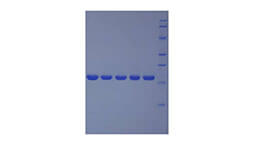
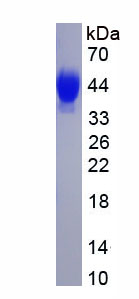 SDS-PAGE
-
 ISO9001: 2008, ISO13485: 2003 Registered
Activity test
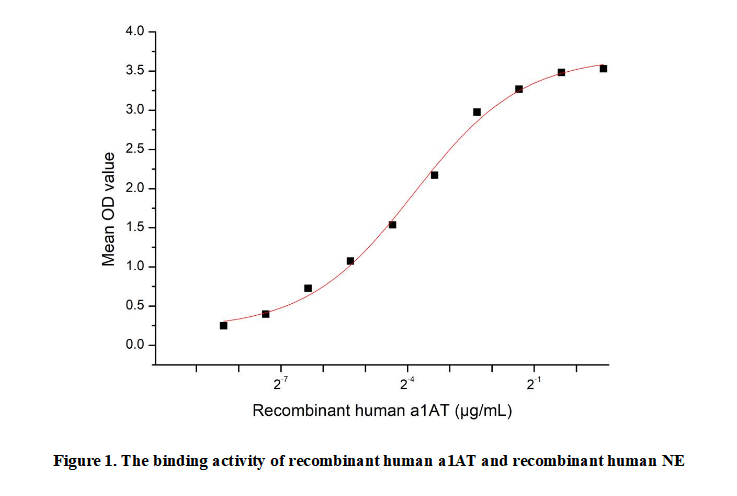
Alpha-1-Antitrypsin (a1AT), a major serine protease inhibitor synthesized primarily in the liver, is crucial for protecting tissues from excessive proteolytic damage. Circulating in human plasma, it targets and inhibits a range of proteases—including neutrophil elastase, trypsin, and chymotrypsin—which, if left unregulated, can degrade essential structural proteins. Beyond its protective function, A1AT is involved in modulating inflammatory responses and maintaining pulmonary homeostasis; deficiencies in A1AT are associated with conditions such as emphysema and liver disorders.Notably, a1AT directly binds to Neutrophil Elastase (NE), a potent protease released by activated neutrophils, irreversibly inhibiting NE’s tissue-damaging activity.To detect the activity of recombinant a1AT , a functional ELISA assay was performed to evaluate the interaction between recombinant human a1AT and recombinant human NE.Briefly, a1AT was diluted serially in PBS with 0.01% BSA (pH 7.4). Duplicate samples of 100 μl were then transferred to NE-coated microtiter wells and incubated for 1h at 37℃. Wells were washed with PBST and incubated for 1h with anti-a1AT pAb, then aspirated and washed 3 times. After incubation with HRP labelled secondary antibody for 1h at 37℃, wells were aspirated and washed 5 times. With the addition of substrate solution, wells were incubated 15-25 minutes at 37℃. Finally, add 50 µL stop solution to the wells and read at 450/630nm immediately. The binding activity of recombinant human a1AT and recombinant human NE was shown in Figure 1, the EC50 for this effect is 0.07 µg/mL.
Usage
Reconstitute in 10mM PBS (pH7.4) to a concentration of 0.1-1.0 mg/mL. Do not vortex.
Storage
Avoid repeated freeze/thaw cycles. Store at 2-8°C for one month. Aliquot and store at -80°C for 12 months.
Stability
The thermal stability is described by the loss rate. The loss rate was determined by accelerated thermal degradation test, that is, incubate the protein at 37°C for 48h, and no obvious degradation and precipitation were observed. The loss rate is less than 5% within the expiration date under appropriate storage condition.
Increment services
-
 BCA Protein Quantification Kit
-
 Molecular Mass Marker for Protein
-
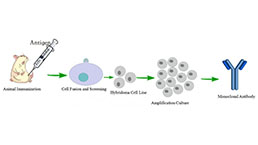 Monoclonal Antibody Customized Service
-
 Polyclonal Antibody Customized Service
-
 Protein Activity Test Experiment Service
-
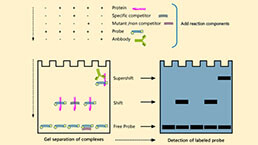 Electrophoretic Mobility Shift Assay (EMSA) Experiment Service
-
 Buffer
-
 Lentivirus Packaging Experiment Service
-
 Adenovirus Packaging Experiment Service
-
 Real Time PCR Experimental Service
-
 Spike RBD Protein (S-RBD)
-
 Protein G
-
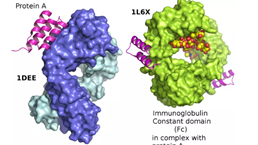 Protein A
Citations
- Expression and characterization of recombinant human alpha-antitrypsin in transgenic rice seedPubMed: 23376844
- Hepatic steatosis depresses alpha-1-antitrypsin levels in human and rat acute pancreatitisPubMed: 26634430
- Gut Microbial Dysbiosis May Predict Diarrhea and Fatigue in Patients Undergoing Pelvic Cancer Radiotherapy: A Pilot StudyPubMed: 25955845
- Diagnostic Utility of Biomarkers in COPDPubMed: 26106205
- Early prognostic factors in septic shock cancer patients: a prospective study with a proteomic approachPubmed:29315472
- Urinary Proteomics for the Early Diagnosis of Diabetic Nephropathy in Taiwanese PatientsPubmed: 30486327
- Salivary proteins from dysplastic leukoplakia and oral squamous cell carcinoma and their potential for early detectionPubmed: 31706945
- Systemic Alterations of Immune Response-Related Proteins during Glaucoma Development in the Murine Model DBA/2JPubmed: 32585848
- Prenatal diagnosis of maternal serum from mothers carrying β‐thalassemic fetus34559910