


Active Beta-2-Microglobulin (b2M) 

BMG; B2MG
- UOM
- FOB US$ 298.00 US$ 744.00 US$ 1,488.00 US$ 4,464.00 US$ 11,160.00
- Quantity
Overview
Properties
- Product No.APA260Hu61
- Organism SpeciesHomo sapiens (Human) Same name, Different species.
- ApplicationsCell culture; Activity Assays.
Research use only - DownloadInstruction Manual
- CategoryInfection immunityKidney biomarker
- Buffer FormulationPBS, pH7.4, containing 5% Trehalose.
- Traits Freeze-dried powder, Purity > 95%
- Isoelectric Point6.1
Sign into your account
Share a new citation as an author
Upload your experimental result
Review

Contact us
Please fill in the blank.
-
 Packages (Simulation)
-
 Packages (Simulation)
-
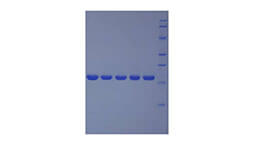
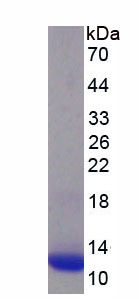 Figure. SDS-PAGE
-
 ISO9001: 2008, ISO13485: 2003 Registered
Activity test
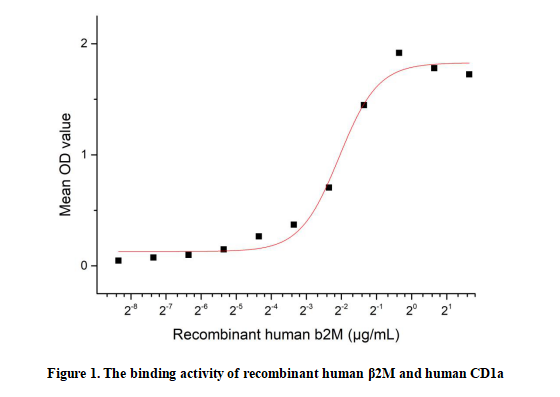
Beta-2-microglobulin (β2M, encoded by B2M) is a small, non-glycosylated protein with a molecular mass of approximately 12 kDa. It is ubiquitously expressed on the surface of nearly all nucleated cells and serves as an invariant light chain of major histocompatibility complex (MHC) class I molecules. β2M plays a critical role in stabilizing the conformation of MHC class I heavy chains and facilitating the presentation of endogenous peptide antigens to cytotoxic T lymphocytes, which is essential for cellular immune surveillance and antiviral and antitumor responses. Elevated serum β2M levels are often associated with immune activation, lymphoproliferative disorders, renal dysfunction, and certain inflammatory conditions. Structurally, it belongs to the immunoglobulin superfamily and is also involved in cell adhesion and antigen recognition processes. β2M forms a stable structural complex with CD1a to support lipid antigen presentation and T-cell recognition. Briefly, CD1a was diluted serially in PBS with 0.01% BSA (pH 7.4). Duplicate samples of 100 μl were then transferred to β2M-coated microtiter wells and incubated for 1h at 37℃. Wells were washed with PBST and incubated for 1h with anti-CD1a pAb, then aspirated and washed 3 times. After incubation with HRP labelled secondary antibody for 1h at 37℃, wells were aspirated and washed 5 times. With the addition of substrate solution, wells were incubated 15-25 minutes at 37℃. Finally, add 50 µL stop solution to the wells and read at 450/630nm immediately. Measured by its binding ability in a functional ELISA. When recombinant human β2M is lmmobilized at 2 µg/mL(100 µLwell), the concentration of CD1a that produces 50% optimal bindingresponse is found to be approximately 0.239 µg/mL.
Usage
Reconstitute in 10mM PBS (pH7.4) to a concentration of 0.1-1.0 mg/mL. Do not vortex.
Storage
Avoid repeated freeze/thaw cycles. Store at 2-8°C for one month. Aliquot and store at -80°C for 12 months.
Stability
The thermal stability is described by the loss rate. The loss rate was determined by accelerated thermal degradation test, that is, incubate the protein at 37°C for 48h, and no obvious degradation and precipitation were observed. The loss rate is less than 5% within the expiration date under appropriate storage condition.
Increment services
-
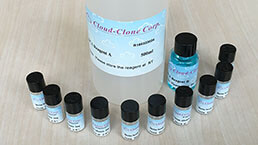 BCA Protein Quantification Kit
-
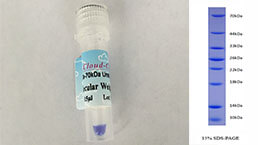 Molecular Mass Marker for Protein
-
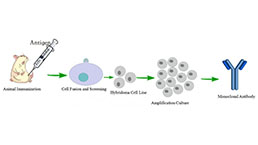 Monoclonal Antibody Customized Service
-
 Polyclonal Antibody Customized Service
-
 Protein Activity Test Experiment Service
-
 Electrophoretic Mobility Shift Assay (EMSA) Experiment Service
-
 Buffer
-
 Lentivirus Packaging Experiment Service
-
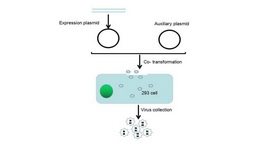 Adenovirus Packaging Experiment Service
-
 Real Time PCR Experimental Service
-
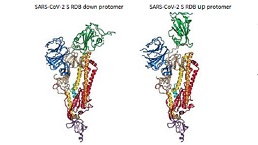 Spike RBD Protein (S-RBD)
-
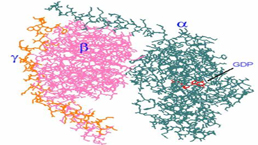 Protein G
-
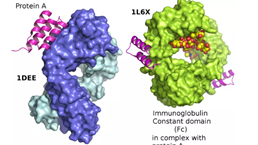 Protein A
Citations
- The Renal Effects of Vanadate Exposure: Potential Biomarkers and Oxidative Stress as a Mechanism of Functional Renal Disorders—Preliminary StudiesHindawi: 740105
- Absence of chloride intracellular channel 4 (CLIC4) predisposes to acute kidney injury but has minimal impact on recoveryBiomedcentral: Source
- Mef2C restrains microglial inflammatory response and is lost in brain ageing in an IFN-I-dependent manner.pubmed:28959042
- Urine proteome analysis by C18 plate–matrix-assisted laser desorption/ionization time-of-flight mass spectrometry allows noninvasive differential diagnosis …Pubmed:30024955
- Early prognostic factors in septic shock cancer patients: a prospective study with a proteomic approachPubmed:29315472
- Long-term exposure to crotonaldehyde causes heart and kidney dysfunction through induction of inflammatory and oxidative damage in male Wistar ratsPubmed: 30426860
- Urinary Proteomics for the Early Diagnosis of Diabetic Nephropathy in Taiwanese PatientsPubmed: 30486327
- iTRAQ-based analysis for the identification of MARCH8 targets in human esophageal squamous cell carcinoma33540066
- Diminishment of Nrf2 Antioxidative Defense Aggravates Nephrotoxicity of Melamine and Oxalate Coexposure. Antioxidants 2021, 10, 146434573096
- Biomarkers of cadmium exposure and renal function in estuarine adult villagers34773507