


Active Bone Sialoprotein (BSP) 

IBSP; Bsp; BspII; SpII; Integrin-Binding Bone Sialoprotein; Cell-binding sialoprotein; Bone sialoprotein 2
- UOM
- FOB US$ 288.00 US$ 720.00 US$ 1,440.00 US$ 4,320.00 US$ 10,800.00
- Quantity
Overview
Properties
- Product No.APB092Hu62
- Organism SpeciesHomo sapiens (Human) Same name, Different species.
- ApplicationsCell culture; Activity Assays.
Research use only - DownloadInstruction Manual
- CategoryMetabolic pathwayDevelopmental scienceBone metabolism
- Buffer FormulationPBS, pH7.4, containing 5% Trehalose.
- Traits Freeze-dried powder, Purity > 95%
- Isoelectric Point4.0
Sign into your account
Share a new citation as an author
Upload your experimental result
Review

Contact us
Please fill in the blank.
-
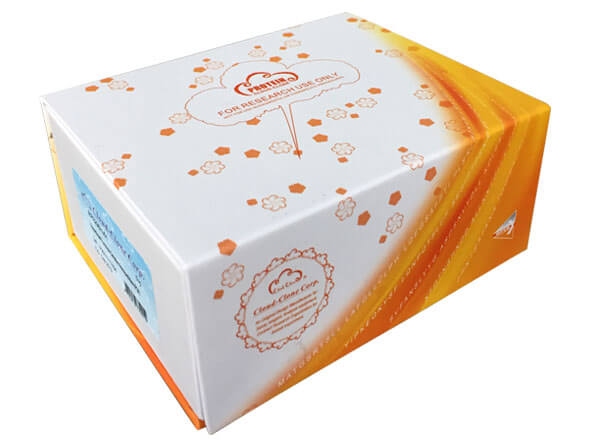 Packages (Simulation)
-
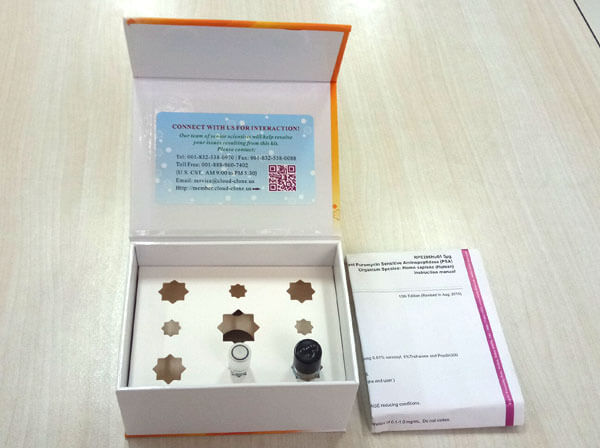 Packages (Simulation)
-
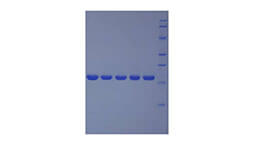
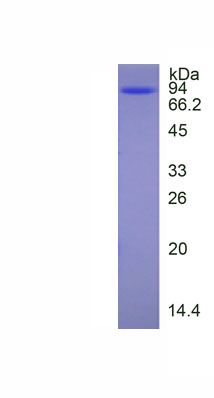 Figure. SDS-PAGE
-
 ISO9001: 2008, ISO13485: 2003 Registered
Activity test
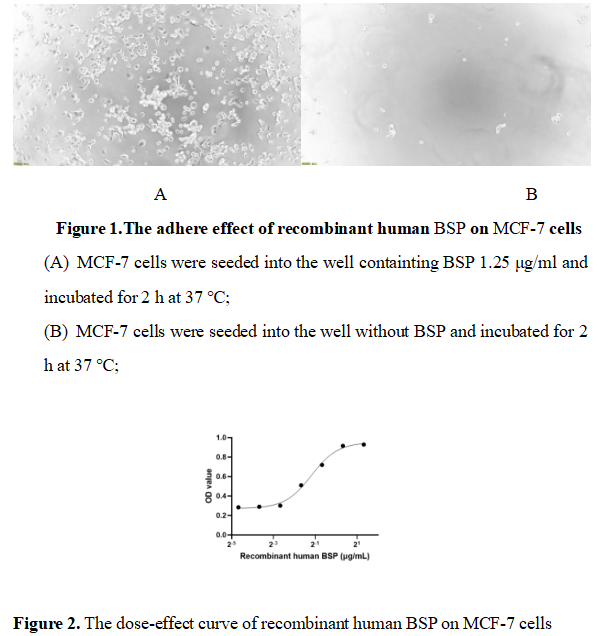
Bone Sialoprotein (BSP) is a highly glycosylated and phosphorylated non-collagenous protein that plays a pivotal role in mineralized tissues, particularly in bone and dentin. As a member of the small integrin-binding ligand N-linked glycoprotein (SIBLING) family, it is primarily synthesized by osteoblasts, odontoblasts, and chondrocytes, and is prominently localized in the extracellular matrix of mineralizing tissues. Additionally, it also has the function of cell adhesion. Therefore, we measure the activity of recombinant human BSP by the ability of the immobilized protein to support the adhesion of MCF-7 cell. When 5 x 10⁴ cells/well are added to different concentrations of recombinant human BSP coated plates, cells will adhere after 2 hour incubation at 37 ℃. The adhesion of MCF-7 after 2 hour incubation at 37 ℃ observed by inverted microscope was shown in Figure 1. Cell adherent was in a dose dependent manner, the result was shown in Figure 2, the EC50 was 0.44 μg/ml.
Usage
Reconstitute in 10mM PBS (pH7.4) to a concentration of 0.1-1.0 mg/mL. Do not vortex.
Storage
Avoid repeated freeze/thaw cycles. Store at 2-8°C for one month. Aliquot and store at -80°C for 12 months.
Stability
The thermal stability is described by the loss rate. The loss rate was determined by accelerated thermal degradation test, that is, incubate the protein at 37°C for 48h, and no obvious degradation and precipitation were observed. The loss rate is less than 5% within the expiration date under appropriate storage condition.
Increment services
-
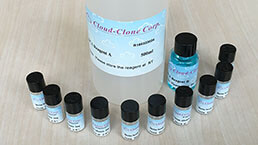 BCA Protein Quantification Kit
-
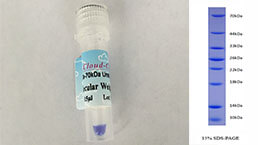 Molecular Mass Marker for Protein
-
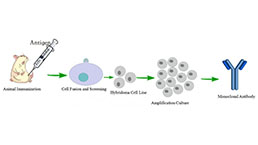 Monoclonal Antibody Customized Service
-
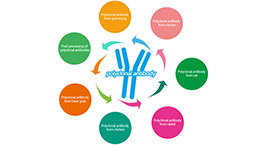 Polyclonal Antibody Customized Service
-
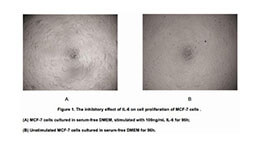 Protein Activity Test Experiment Service
-
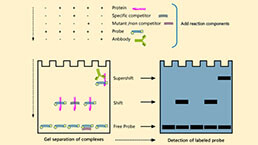 Electrophoretic Mobility Shift Assay (EMSA) Experiment Service
-
 Buffer
-
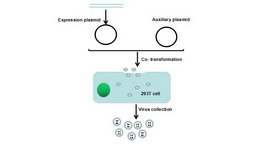 Lentivirus Packaging Experiment Service
-
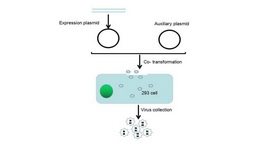 Adenovirus Packaging Experiment Service
-
 Real Time PCR Experimental Service
-
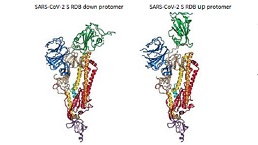 Spike RBD Protein (S-RBD)
-
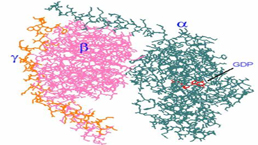 Protein G
-
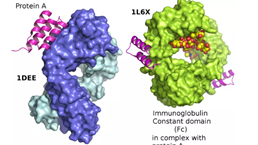 Protein A
Citations
- Low-intensity pulsed ultrasound-induced ATP increases bone formation via the P2X7 receptor in osteoblast-like MC3T3-E1 cellsPubmed:25542352
- Adiponectin Promotes Human Jaw Bone Marrow Stem Cell OsteogenesisPubmed:26961489
- Stenotic Bicuspid and Tricuspid Aortic Valves - Micro-Computed Tomography and Biological Indices of Calcification.pubmed:28344201