


Active Ciliary Neurotrophic Factor (CNTF) 

HCNTF
- UOM
- FOB US$ 200.00 US$ 500.00 US$ 1,000.00 US$ 3,000.00 US$ 7,500.00
- Quantity
Overview
Properties
- Product No.APA021Hu61
- Organism SpeciesHomo sapiens (Human) Same name, Different species.
- ApplicationsCell culture; Activity Assays.
Research use only - DownloadInstruction Manual
- CategoryCytokineNeuro science
- Buffer FormulationPBS, pH7.4, containing 5% Trehalose.
- Traits Freeze-dried powder, Purity > 90%
- Isoelectric Point6.9
Sign into your account
Share a new citation as an author
Upload your experimental result
Review

Contact us
Please fill in the blank.
-
 Packages (Simulation)
-
 Packages (Simulation)
-
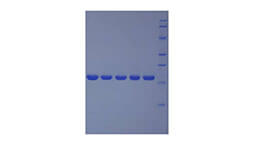
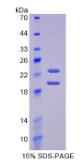 Figure. SDS-PAGE
-
 ISO9001: 2008, ISO13485: 2003 Registered
Activity test
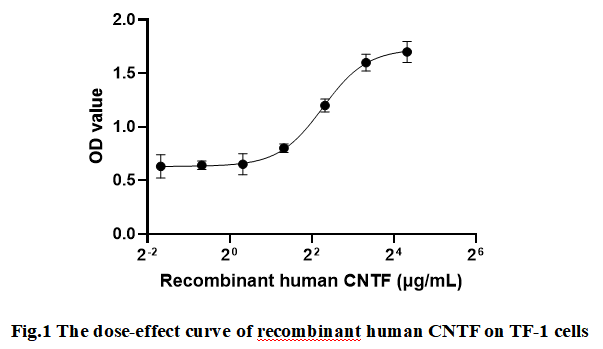
Ciliary Neurotrophic Factor (CNTF) is a multifunctional cytokine primarily known for neurotrophic roles. It supports survival and differentiation of ciliary ganglion neurons and other neuronal populations. Beyond neurotrophy, it aids neuroprotection by inhibiting neuronal apoptosis, promoting axonal regeneration, and modulating neuroinflammation, showing potential in treating neurodegenerative disorders. To test the effect of CNTF on cell proliferation, TF-1 cells were seeded into triplicate wells of 96-well plates and allowed to attach, replaced with various concentrations of recombinant human CNTF. After incubated for 72h, cells were observed by inverted microscope and cell proliferation was measured by Cell Counting Kit-8 (CCK-8). Briefly, 10 µl of CCK-8 solution was added to each well of the plate, then the absorbance at 450 nm was measured using a microplate reader after incubating the plate for 1-4 hours at 37 ℃. Cell viability was assessed by CCK-8 assay after incubation with recombinant human CNTF for 72h. The result was shown in Figure 1. It was obvious that CNTF significantly increased cell viability of TF-1 cells. The ED50 of recombinant human CNTF is 4.82 μg/ml.
Usage
Reconstitute in 10mM PBS (pH7.4) to a concentration of 0.1-1.0 mg/mL. Do not vortex.
Storage
Avoid repeated freeze/thaw cycles. Store at 2-8°C for one month. Aliquot and store at -80°C for 12 months.
Stability
The thermal stability is described by the loss rate. The loss rate was determined by accelerated thermal degradation test, that is, incubate the protein at 37°C for 48h, and no obvious degradation and precipitation were observed. The loss rate is less than 5% within the expiration date under appropriate storage condition.
Increment services
-
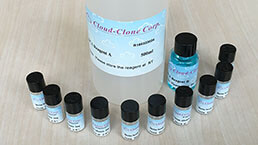 BCA Protein Quantification Kit
-
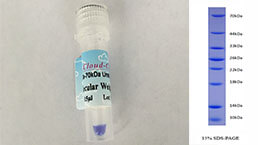 Molecular Mass Marker for Protein
-
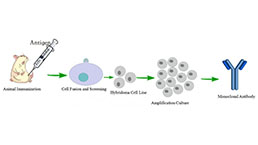 Monoclonal Antibody Customized Service
-
 Polyclonal Antibody Customized Service
-
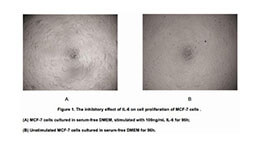 Protein Activity Test Experiment Service
-
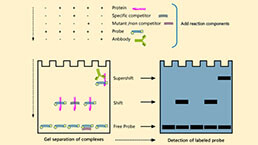 Electrophoretic Mobility Shift Assay (EMSA) Experiment Service
-
 Buffer
-
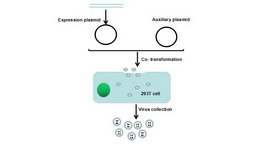 Lentivirus Packaging Experiment Service
-
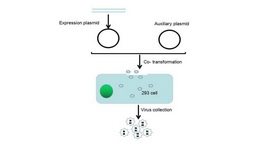 Adenovirus Packaging Experiment Service
-
 Real Time PCR Experimental Service
-
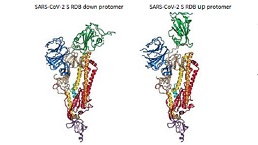 Spike RBD Protein (S-RBD)
-
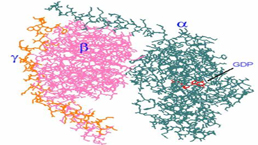 Protein G
-
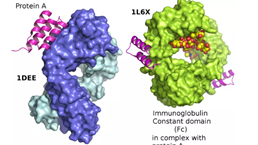 Protein A
Citations
- Ciliary Neurotrophic Factor Promotes the Activation of Corneal Epithelial Stem/Progenitor Cells and Accelerates Corneal Epithelial Wound HealingPubmed:25546438
- Rosiglitazone Exerts an Anti-depressive Effect in Unpredictable Chronic Mild-Stress-Induced Depressive Mice by Maintaining Essential Neuron Autophagy and Inhibiting Excessive Astrocytic Apoptosis.pubmed:28959186
- Mesenchymal stem cells provide paracrine neuroprotective resources that delay degeneration of co-cultured organotypic neuroretinal culturesPubmed: 31108056