


Active Cluster Of Differentiation 4 (CD4) 

CD4mut; p55; T-cell surface glycoprotein CD4; T-cell surface antigen T4/Leu-3
- UOM
- FOB US$ 200.00 US$ 500.00 US$ 1,000.00 US$ 3,000.00 US$ 7,500.00
- Quantity
Overview
Properties
- Product No.APB167Mu62
- Organism SpeciesMus musculus (Mouse) Same name, Different species.
- ApplicationsCell culture; Activity Assays.
Research use only - DownloadInstruction Manual
- CategorySignal transductionCD & Adhesion moleculeImmune molecule
- Buffer FormulationPBS, pH7.4, containing 5% Trehalose.
- Traits Freeze-dried powder, Purity > 90%
- Isoelectric Point9.0
Sign into your account
Share a new citation as an author
Upload your experimental result
Review

Contact us
Please fill in the blank.
-
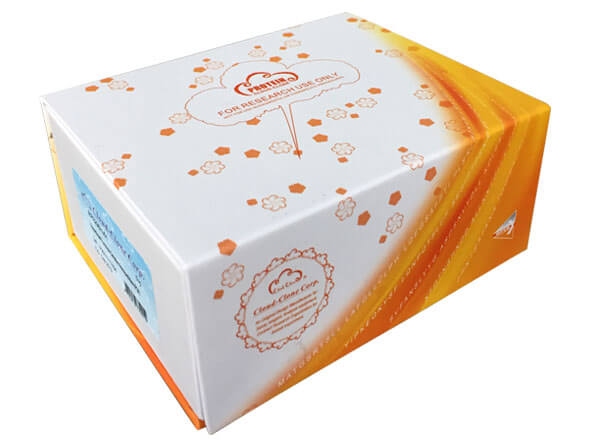 Packages (Simulation)
-
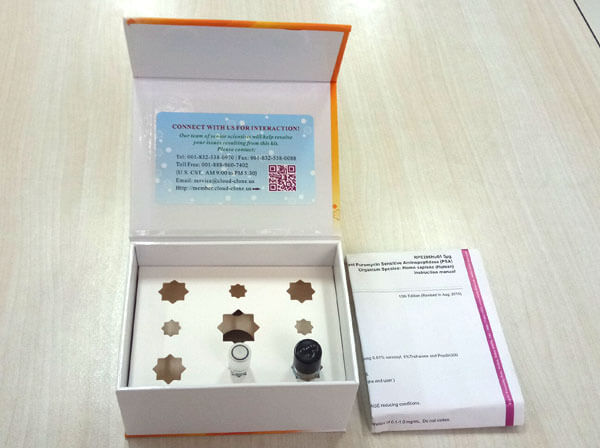 Packages (Simulation)
-
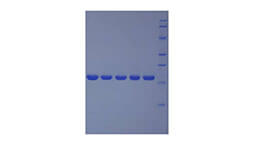
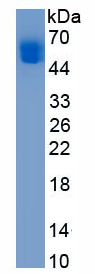 Figure. SDS-PAGE
-
 ISO9001: 2008, ISO13485: 2003 Registered
Activity test
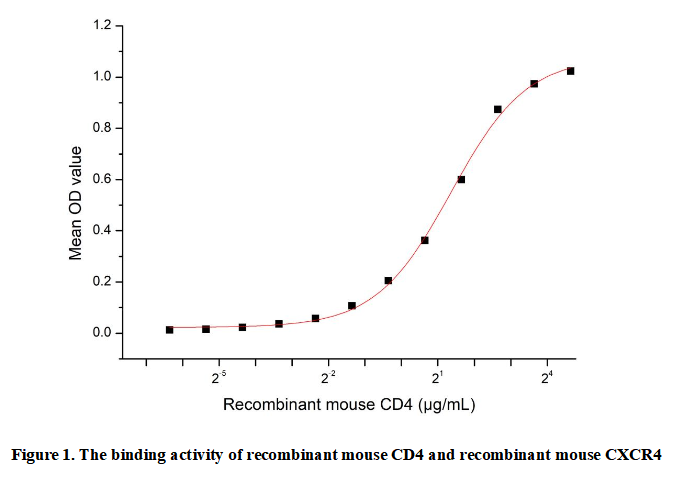
Cluster Of Differentiation 4 (CD4) is a glycoprotein expressed on the surface of immune cells, primarily T-helper cells, macrophages, and dendritic cells. It serves as a co-receptor for the T-cell receptor (TCR) during antigen presentation, binding to major histocompatibility complex class II (MHC-II) molecules on antigen-presenting cells (APCs). This interaction stabilizes TCR-MHC-II binding and initiates immune signaling. CD4 also acts as a primary receptor for HIV-1, enabling viral entry into host cells. Besides,Chemokine C-X-C-Motif Receptor 4 (CXCR4) has been identified as an interactor of CD4, thus a functional binding ELISA assay was conducted to detect the interaction of recombinant mouse CD4 and recombinant mouse CXCR4. Briefly, biotin-linked CD4 were diluted serially in PBS, with 0.01% BSA (pH 7.4). Duplicate samples of 100μl were then transferred to CXCR4-coated microtiter wells and incubated for 1h at 37℃. Wells were washed with PBST 3 times and incubation with Streptavidin-HRP for 30min, then wells were aspirated and washed 5 times. With the addition of substrate solution, wells were incubated 15-25 minutes at 37℃. Finally, add 50µl stop solution to the wells and read at 450nm immediately. The binding activity of CD4 and CXCR4 was shown in Figure 1, the EC50 for this effect is 2.57µg/mL.
Usage
Reconstitute in 10mM PBS (pH7.4) to a concentration of 0.1-1.0 mg/mL. Do not vortex.
Storage
Avoid repeated freeze/thaw cycles. Store at 2-8°C for one month. Aliquot and store at -80°C for 12 months.
Stability
The thermal stability is described by the loss rate. The loss rate was determined by accelerated thermal degradation test, that is, incubate the protein at 37°C for 48h, and no obvious degradation and precipitation were observed. The loss rate is less than 5% within the expiration date under appropriate storage condition.
Increment services
-
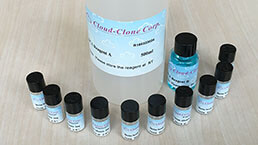 BCA Protein Quantification Kit
-
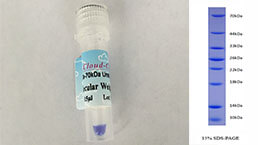 Molecular Mass Marker for Protein
-
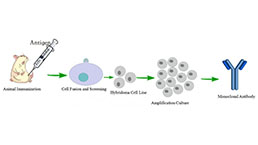 Monoclonal Antibody Customized Service
-
 Polyclonal Antibody Customized Service
-
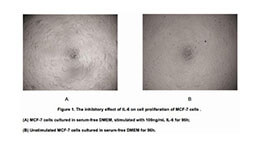 Protein Activity Test Experiment Service
-
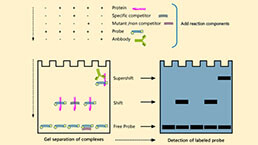 Electrophoretic Mobility Shift Assay (EMSA) Experiment Service
-
 Buffer
-
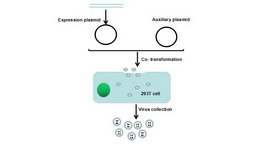 Lentivirus Packaging Experiment Service
-
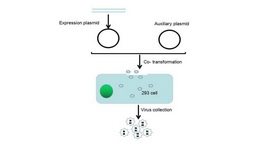 Adenovirus Packaging Experiment Service
-
 Real Time PCR Experimental Service
-
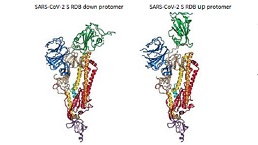 Spike RBD Protein (S-RBD)
-
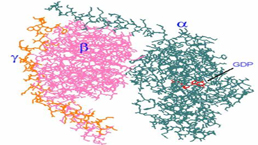 Protein G
-
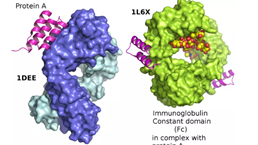 Protein A
Citations
- Influences of Hyriopsis cumingii polysaccharides on mice immunosignaling molecules and T lymphocyte differentiation09540105.2017.1306494
- Adjuvant Postoperative CD40 Agonist and PD-1 Antagonist Combination Therapy in Syngeneic Tongue Cancer Mouse ModelPubmed: 32366416