


Active Cytochrome P450 2E1 (CYP2E1) 

CPE1; CYPIIE1; P450-J; P450C2E; 4-nitrophenol 2-hydroxylase; Cytochrome P450 Family 2 Subfamily E 1; Cytochrome P450,Subfamily IIE(Ethanol-Inducible)Polypeptide 1
- UOM
- FOB US$ 274.00 US$ 684.00 US$ 1,368.00 US$ 4,104.00 US$ 10,260.00
- Quantity
Overview
Properties
- Product No.APA988Hu02
- Organism SpeciesHomo sapiens (Human) Same name, Different species.
- ApplicationsCell culture; Activity Assays.
Research use only - DownloadInstruction Manual
- CategorySignal transductionMetabolic pathway
- Buffer FormulationPBS, pH7.4, containing 0.01% SKL, 5% Trehalose.
- Traits Freeze-dried powder, Purity > 90%
- Isoelectric Point8.0
Sign into your account
Share a new citation as an author
Upload your experimental result
Review

Contact us
Please fill in the blank.
-
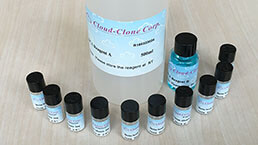
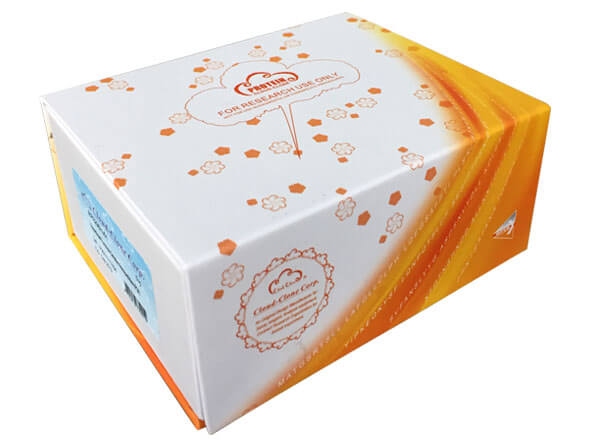 Packages (Simulation)
-
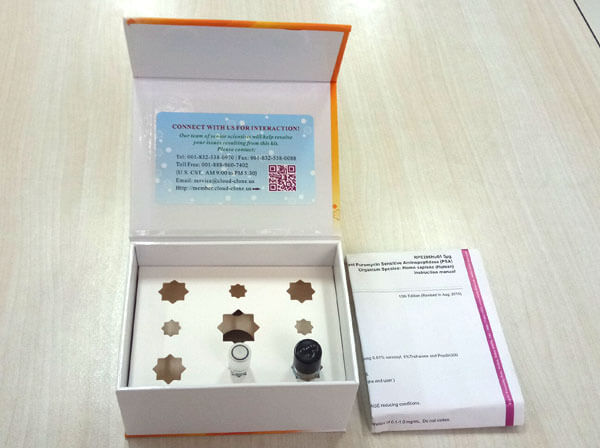 Packages (Simulation)
-
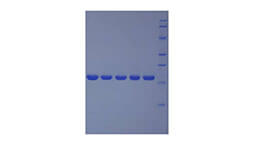
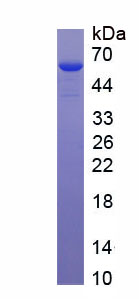 Figure. SDS-PAGE
-
 ISO9001: 2008, ISO13485: 2003 Registered
Activity test
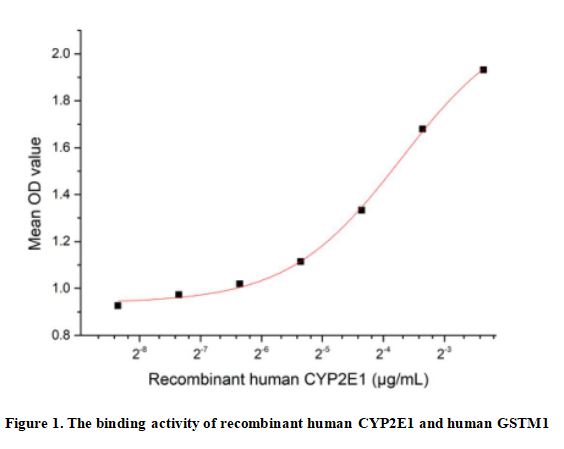
Cytochrome P450 2E1 (CYP2E1) is a conserved microsomal monooxygenase predominantly expressed in the human liver, belonging to the cytochrome P450 superfamily. It mediates the oxidative metabolism of numerous small‐molecule xenobiotics, ethanol, and endogenous compounds, activating many procarcinogens and toxicants such as nitrosamines, benzene, and halogenated solvents. Besides metabolizing clinical drugs including acetaminophen and volatile anesthetics, CYP2E1 catalyzes redox reactions that generate reactive oxygen species (ROS), triggering oxidative stress, lipid peroxidation, and cellular damage. Its inducibility by alcohol and environmental chemicals links it to alcoholic liver injury, drug‐induced hepatotoxicity, and cancer susceptibility, making it a key enzyme in toxicology and disease research. Functionally, CYP2E1 activates toxic intermediates, while GSTM1 detoxifies these metabolites via glutathione conjugation.Thus a functional ELISA assay was conducted to detect the interaction of recombinant human CYP2E1 and recombinant human GSTM1. Briefly, CYP2E1 was diluted serially in PBS with 0.01% BSA (pH 7.4). Duplicate samples of 100 μl were then transferred to GSTM1-coated microtiter wells and incubated for 1h at 37℃. Wells were washed with PBST and incubated for 1h with anti-CYP2E1 pAb, then aspirated and washed 3 times. After incubation with HRP labelled secondary antibody for 1h at 37℃, wells were aspirated and washed 5 times. With the addition of substrate solution, wells were incubated 15-25 minutes at 37℃. Finally, add 50 µL stop solution to the wells and read at 450/630nm immediately. The binding activity of recombinant human CYP2E1 and recombinant human GSTM1 was shown in Figure 1, the EC50 for this effect is 0.076 µg/mL.
Usage
Reconstitute in ddH2O to a concentration of 0.1-1.0 mg/mL. Do not vortex.
Storage
Avoid repeated freeze/thaw cycles. Store at 2-8°C for one month. Aliquot and store at -80°C for 12 months.
Stability
The thermal stability is described by the loss rate. The loss rate was determined by accelerated thermal degradation test, that is, incubate the protein at 37°C for 48h, and no obvious degradation and precipitation were observed. The loss rate is less than 5% within the expiration date under appropriate storage condition.
Increment services
-
 BCA Protein Quantification Kit
-
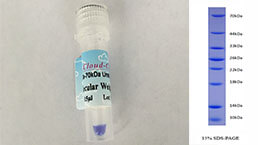 Molecular Mass Marker for Protein
-
 Monoclonal Antibody Customized Service
-
 Polyclonal Antibody Customized Service
-
 Protein Activity Test Experiment Service
-
 Electrophoretic Mobility Shift Assay (EMSA) Experiment Service
-
 Buffer
-
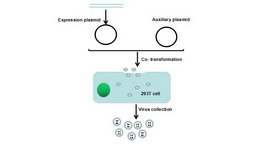 Lentivirus Packaging Experiment Service
-
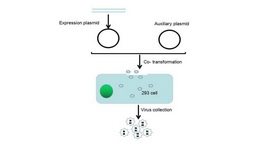 Adenovirus Packaging Experiment Service
-
 Real Time PCR Experimental Service
-
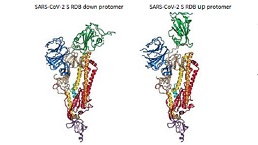 Spike RBD Protein (S-RBD)
-
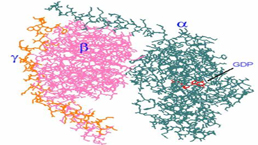 Protein G
-
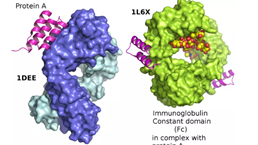 Protein A
Citations
- Hepatoprotective effect of ethanolic extract of Curcuma longa on thioacetamide induced liver cirrhosis in ratsPubMed: PMC3605171
- Mechanism of Hepatoprotective Effect of Boesenbergia rotunda in Thioacetamide-Induced Liver Damage in RatsPubMed: PMC3749608
- CCl4-induced hepatotoxicity: protective effect of rutin on p53, CYP2E1 and the antioxidative status in ratPubMed: PMC3519517
- Hepatoprotective Effect of Methanolic Stem Extract of Bush Cane (Costus Afer) on Immunologic Response Generated Reactive Oxygen Species (ROS) in Alcohol Induced Liver Cirrhosis in Rats. Ajbpr:Source
- Pass-predicted hepatoprotective activity of Caesalpinia sappan in thioacetamide-induced liver fibrosis in ratsPubmed:24701154
- Protective effect of Djulis (Chenopodium formosanum) and its bioactive compounds against carbon tetrachloride-induced liver injury, in vivopublication:307092820
- Haloperidol loaded carboxymethyl chitosan nanoparticles reduce Oxidative stress, Mitochondria dysfunction and DNA damage in hepatic cells of male rats.59f7c85aaca272607e2d8d7a
- Toxicity assessment due to prenatal and lactational exposure to lead, cadmium and mercury mixturesPubmed: 31639605
- Oxidative Stress Parameters in the Liver of Growing Male Rats Receiving Various Alcoholic BeveragesPubmed: 31935882
- Ellagic Acid Prevents Binge Alcohol-Induced Leaky Gut and Liver Injury through Inhibiting Gut Dysbiosis and Oxidative Stress34573017