


Active Dickkopf Related Protein 1 (DKK1) 

SK; Dickkopf Homolog 1(Xenopus Laevis)
Overview
Properties
- Product No.APA741Hu61
- Organism SpeciesHomo sapiens (Human) Same name, Different species.
- ApplicationsCell culture; Activity Assays.
Research use only - Downloadn/a
- CategorySignal transductionTumor immunityHematologyDevelopmental scienceBone metabolism
- Buffer FormulationPBS, pH7.4, containing 0.01% SKL, 1mM DTT, 5% Trehalose and Proclin300.
- Traits Freeze-dried powder, Purity > 95%
- Isoelectric Point8.4
Sign into your account
Share a new citation as an author
Upload your experimental result
Review

Contact us
Please fill in the blank.
-
 Packages (Simulation)
-
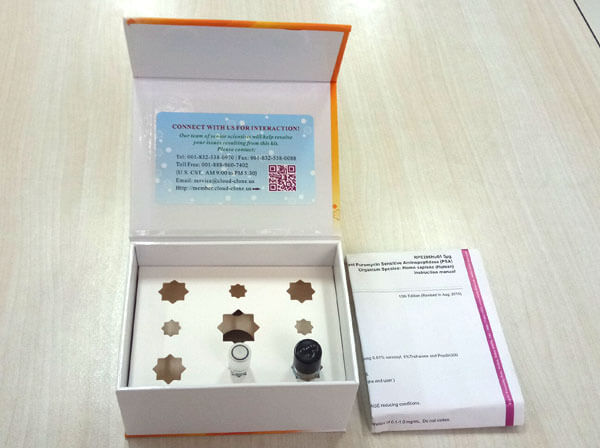 Packages (Simulation)
-
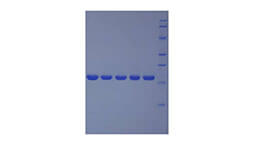
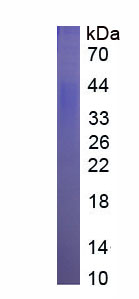 SDS-PAGE
-
 ISO9001: 2008, ISO13485: 2003 Registered
Activity test
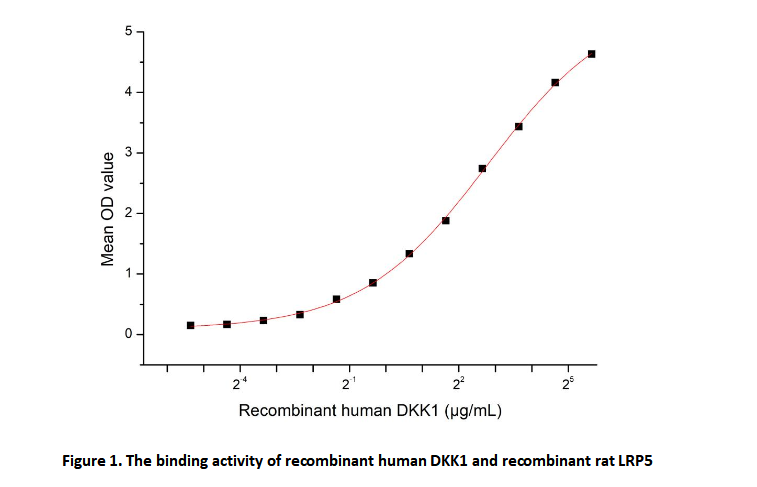
Dickkopf Related Protein 1 (DKK1) is a secreted glycoprotein that functions as a key antagonist of the canonical Wnt/β-catenin signaling pathway. It is critically involved in embryonic development, particularly in head formation, and also plays roles in bone remodeling, cancer progression, and immune regulation. Elevated levels of DKK1 are associated with various bone diseases, including osteoporosis, and certain cancers where it suppresses Wnt-mediated cell differentiation and proliferation. DKK1 inhibits Wnt signaling by directly binding to the Wnt co-receptor Low-Density Lipoprotein Receptor-Related Protein 5 (LRP5), thereby preventing the formation of the Wnt-Frizzled-LRP5 complex and subsequent signal transduction.To detect the activity of recombinant DKK1 , a functional ELISA assay was performed to evaluate the interaction between recombinant human DKK1 and recombinant rat LRP5.Briefly, DKK1 were diluted serially in PBS, with 0.01% BSA (pH 7.4). Duplicate samples of 100ul were then transferred to LRP5-coated microtiter wells and incubated for 2h at 37℃. Wells were washed with PBST and incubated for 1h with anti-DKK1 pAb, then aspirated and washed 3 times. After incubation with HRP labelled secondary antibody, wells were aspirated and washed 3 times. With the addition of substrate solution , wells were incubated 15-25 minutes at 37℃. Finally, add 50µL stop solution to the wells and read at 450nm immediately. The binding activity of DKK1 and LRP5 was shown in Figure 1, and this effect was in a dose dependent manner.
Usage
Reconstitute in 10mM PBS (pH7.4) to a concentration of 0.1-1.0 mg/mL. Do not vortex.
Storage
Avoid repeated freeze/thaw cycles. Store at 2-8°C for one month. Aliquot and store at -80°C for 12 months.
Stability
The thermal stability is described by the loss rate. The loss rate was determined by accelerated thermal degradation test, that is, incubate the protein at 37°C for 48h, and no obvious degradation and precipitation were observed. The loss rate is less than 5% within the expiration date under appropriate storage condition.
Increment services
-
 BCA Protein Quantification Kit
-
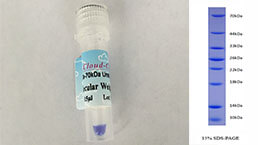 Molecular Mass Marker for Protein
-
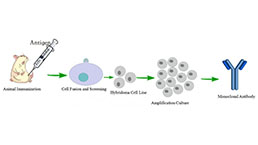 Monoclonal Antibody Customized Service
-
 Polyclonal Antibody Customized Service
-
 Protein Activity Test Experiment Service
-
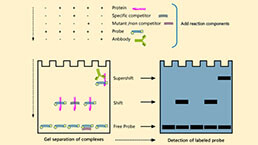 Electrophoretic Mobility Shift Assay (EMSA) Experiment Service
-
 Buffer
-
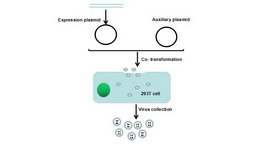 Lentivirus Packaging Experiment Service
-
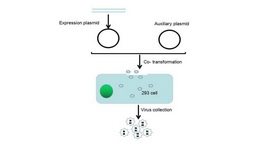 Adenovirus Packaging Experiment Service
-
 Real Time PCR Experimental Service
-
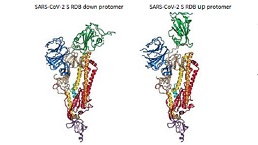 Spike RBD Protein (S-RBD)
-
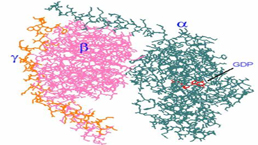 Protein G
-
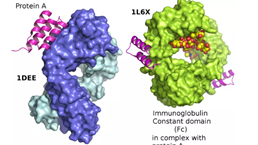 Protein A
Citations
- The possible role of Dickkopf-1, Golgi protein-73 and Midkine as predictors of hepatocarcinogenesis: a review and an Egyptian studyPubmed: 32198440
- Immunological history governs human stem cell memory CD4 heterogeneity via the Wnt signaling pathwayPubmed: 32041953
- Circulating Osteocyte‐Related Biomarkers (vitamin D, sclerostin, dickkopf-1), hepcidin, and oxidative stress markers in early breast cancer: their impact in …Pubmed: 33065276
- Long-Term Administration of Abacavir and Etravirine Impairs Semen Quality and Alters Redox System and Bone Metabolism in Growing Male Wistar Rats34373766