


Active Glucagon (GCG) 

GC; GLP1; GLP2; GRPP; Glicentin-Related Polypeptide; Glucagen; Oxyntomodulin; Incretin hormone
- UOM
- FOB US$ 212.00 US$ 530.00 US$ 1,060.00 US$ 3,180.00 US$ 7,950.00
- Quantity
Overview
Properties
- Product No.APB266Hu01
- Organism SpeciesHomo sapiens (Human) Same name, Different species.
- ApplicationsCell culture; Activity Assays.
Research use only - DownloadInstruction Manual
- CategoryEndocrinology
- Buffer FormulationPBS, pH7.4, containing 0.01% SKL, 5% Trehalose.
- Traits Freeze-dried powder, Purity > 90%
- Isoelectric Point5.3
Sign into your account
Share a new citation as an author
Upload your experimental result
Review

Contact us
Please fill in the blank.
-
 Packages (Simulation)
-
 Packages (Simulation)
-
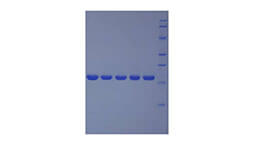
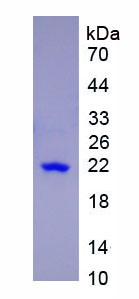 Figure. SDS-PAGE
-
 ISO9001: 2008, ISO13485: 2003 Registered
Activity test
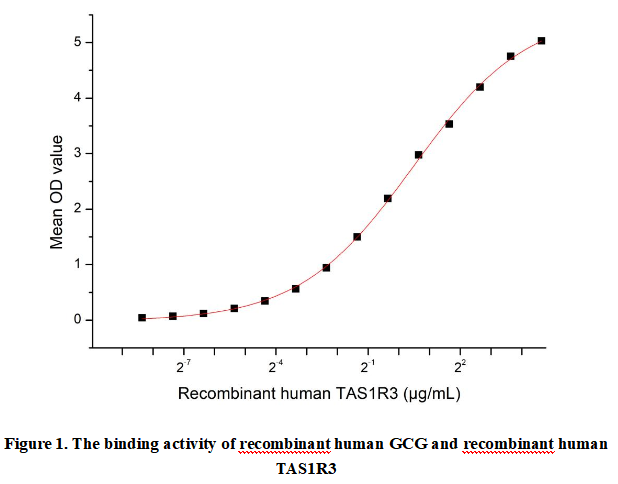
Glucagon (GCG) is a critical peptide hormone produced by alpha cells in the pancreatic islets. It serves as the primary counter-regulatory hormone to insulin, playing a central role in maintaining glucose homeostasis. During fasting states or low blood sugar (hypoglycemia), glucagon is secreted and binds to its receptor on liver cells. This binding triggers a signaling cascade that stimulates glycogenolysis (the breakdown of glycogen into glucose) and gluconeogenesis (the production of new glucose from non-carbohydrate sources). The resulting release of glucose into the bloodstream provides vital energy to the brain and other organs. Thus, glucagon is essential for preventing dangerously low blood sugar levels.Besides,Taste Receptor Type 1 Member 3 (TAS1R3) has been identified as an interactor of GCG, thus a functional binding ELISA assay was conducted to detect the interaction of recombinant human GCG and recombinant human TAS1R3. Briefly, biotin-linked TAS1R3 were diluted serially in PBS, with 0.01% BSA (pH 7.4). Duplicate samples of 100µl were then transferred to GCG-coated microtiter wells and incubated for 1h at 37℃. Wells were washed with PBST 3 times and incubation with Streptavidin-HRP for 30min, then wells were aspirated and washed 5 times. With the addition of substrate solution, wells were incubated 15-25 minutes at 37℃. Finally, add 50µl stop solution to the wells and read at 450nm immediately. Measured by its binding ability in a functional ELISA. When Recombinant GCG is lmmobilized at 2 µg/mL(100 uLwell), the concentration of TAS1R3 that produces 50% optimal bindingresponse is found to be approximately 1.38 µg/mL.
Usage
Reconstitute in 10mM PBS (pH7.4) to a concentration of 0.1-1.0 mg/mL. Do not vortex.
Storage
Avoid repeated freeze/thaw cycles. Store at 2-8°C for one month. Aliquot and store at -80°C for 12 months.
Stability
The thermal stability is described by the loss rate. The loss rate was determined by accelerated thermal degradation test, that is, incubate the protein at 37°C for 48h, and no obvious degradation and precipitation were observed. The loss rate is less than 5% within the expiration date under appropriate storage condition.
Increment services
-
 BCA Protein Quantification Kit
-
 Molecular Mass Marker for Protein
-
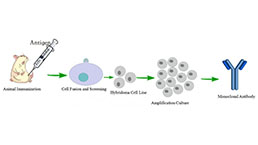 Monoclonal Antibody Customized Service
-
 Polyclonal Antibody Customized Service
-
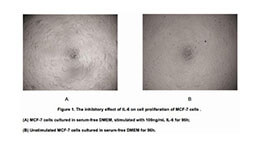 Protein Activity Test Experiment Service
-
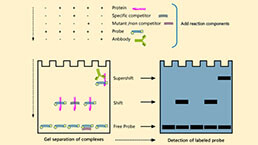 Electrophoretic Mobility Shift Assay (EMSA) Experiment Service
-
 Buffer
-
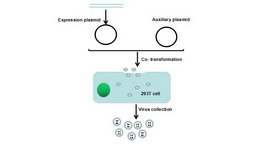 Lentivirus Packaging Experiment Service
-
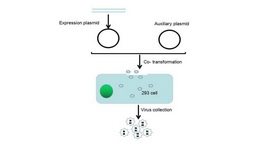 Adenovirus Packaging Experiment Service
-
 Real Time PCR Experimental Service
-
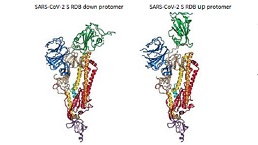 Spike RBD Protein (S-RBD)
-
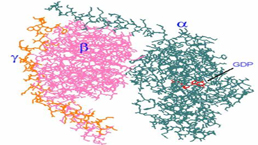 Protein G
-
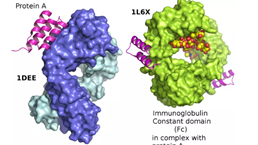 Protein A
Citations
- PER2 promotes glucose storage to liver glycogen during feeding and acute fasting by inducing Gys2 PTG and GL expressionPubMed: PMC3773838
- Increasing glucagon secretion could antagonize the action of exogenous insulin for glycemic control in streptozocin-induced diabetic rhesus monkeys.Pubmed: 23760004
- Specificity and sensitivity of commercially available assays for glucagon and oxyntomodulin measurement in humanEje-online: Source
- IL-21 is a major negative regulator of IRF4-dependent lipolysis affecting Tregs in adipose tissue and systemic insulin sensitivityPubmed:24430438
- Enzogenol improves diabetes-related metabolic change in C57BL/KsJ-db/db?mice, a model of type 2 diabetes mellitusPubmed:24611864
- Subcutaneous administration of liraglutide ameliorates learning and memory impairment by modulating tau hyperphosphorylation via the glycogen synthase kinase-3尾 pathway in an amyloid 尾 protein induced alzheimer disease mouse modelPubmed:27131827
- The glucoreCavia (Guinea pig )latory response to high-intensity aerobic exercise following training in rats with insulin-treated type 1 diabetes mellitusPubmed:27175938
- Subcutaneous liraglutide ameliorates methylglyoxal-induced Alzheimer-like tau pathology and cognitive impairment by modulating tau hyperphosphorylation and glycogen synthase kinase-3β.pubmed:28337257
- Vitamin D3 intake as regulator of insulin degrading enzyme and insulin receptor phosphorylationin diabetic rats.pubmed:27930980
- Ginsenoside Rg5 attenuates hepatic glucagon response via suppression of succinate-associated HIF-1α induction in HFD-fed micepubmed:28280902
- Effects of Acute Cold Stress on Liver O-GlcNAcylation and Glycometabolism in MicePubmed: 30231545
- Exogenous obestatin decreases beta-cell apoptosis and alfa-cell proliferation in high fat diet and streptozotocin induced type 2 diabetic ratsPubmed: 30776368
- Regulating glycolysis, the TLR4 signal pathway and expression of RBM3 in mouse liver in response to acute cold exposurePubmed: 30821572
- Effects of Cold-inducible RNA-binding Protein (CIRP) on Liver Glycolysis during Acute Cold Exposure in C57BL/6 MicePubmed: 30909542
- Liraglutide Combined with Human Umbilical Cord Mesenchymal Stem Cell Transplantation inhibits beta‐cells apoptosis via mediating the ASK1/JNK/BAX pathway in Pubmed: 31411368
- In vitro expansion of pancreatic islet clusters facilitated by hormones and chemicalsPubmed: 32284878
- Mice with nucleus tractus solitarius injury induced by chronic restraint stress present impaired ability to raise blood glucose and glucagon levels when blood glucose …Pubmed: 32249244
- RFRP-3, the Mammalian Ortholog of GnIH, Is a Novel Modulator Involved in Food Intake and Glucose HomeostasisPubmed: 32328034
- Acarbose ameliorates spontaneous type‑2 diabetes in db/db mice by inhibiting PDX‑1 methylationPubmed: 33236139
- Modulatory role of imatinib mesylate on pancreatic β-cells' secretory functions in an STZ rat model of diabetes mellitusPubmed: 32710900
- Mof acetyltransferase inhibition ameliorates glucose intolerance and islet dysfunction of type 2 diabetes via targeting pancreatic α-cells34391847