


Active Granzyme B (GZMB) 

GZM-B; HLP; CTLA1; CCPI; CGL1; CSP-B; CSPB; CTSGL1; SECT; Granzyme 2; Cytotoxic T-Lymphocyte-Associated Serine Esterase 1; Fragmentin 2; Cytotoxic Serine Protease B
- UOM
- FOB US$ 262.00 US$ 655.00 US$ 1,310.00 US$ 3,930.00 US$ 9,825.00
- Quantity
Overview
Properties
- Product No.APA600Ra61
- Organism SpeciesRattus norvegicus (Rat) Same name, Different species.
- ApplicationsCell culture; Activity Assays.
Research use only - DownloadInstruction Manual
- CategoryApoptosisTumor immunityInfection immunityImmune molecule
- Buffer FormulationPBS, pH7.4, containing 5% Trehalose.
- Traits Freeze-dried powder, Purity > 80%
- Isoelectric Point10.1
Sign into your account
Share a new citation as an author
Upload your experimental result
Review

Contact us
Please fill in the blank.
-
 Packages (Simulation)
-
 Packages (Simulation)
-
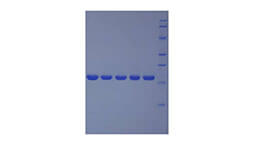
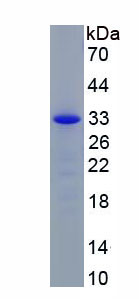 Figure. SDS-PAGE
-
 ISO9001: 2008, ISO13485: 2003 Registered
Activity test
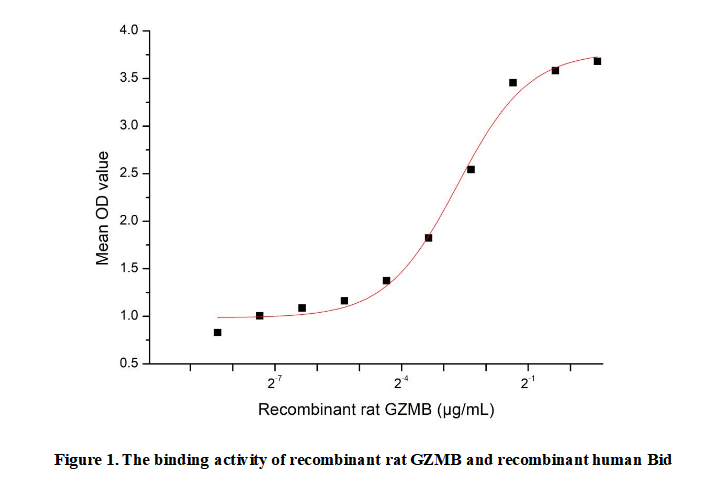
Granzyme B (GZMB) is a serine protease predominantly secreted by cytotoxic T lymphocytes (CTLs) and natural killer (NK) cells. It serves as a central effector molecule in the granule exocytosis pathway, which is essential for cell-mediated elimination of virus-infected and malignant cells. Upon target cell recognition, CTLs and NK cells release GZMB together with perforin. Perforin facilitates the entry of GZMB into the target cell by forming pores in the membrane, where GZMB then initiates apoptotic signaling. In addition to its well-established role in apoptosis, GZMB also contributes to immune regulation and tissue remodeling through involvement in inflammatory responses and extracellular matrix degradation. A key mechanism of its pro-apoptotic function involves the direct cleavage of Bid, generating truncated Bid (tBid), which potently activates the mitochondrial apoptosis pathway.To detect the activity of recombinant GZMB, a functional ELISA assay was performed to evaluate the interaction between recombinant rat GZMB and recombinant human Bid. Briefly, biotin-linked GZMB were diluted serially in PBS, with 0.01% BSA (pH 7.4). Duplicate samples of 100µl were then transferred to Bid-coated microtiter wells and incubated for 1h at 37℃. Wells were washed with PBST 3 times and incubation with Streptavidin-HRP for 30min, then wells were aspirated and washed 5 times. With the addition of substrate solution, wells were incubated 15-25 minutes at 37℃. Finally, add 50µl stop solution to the wells and read at 450nm immediately. The binding activity of GZMB and Bid was shown in Figure 1, the EC50 for this effect is 0.16µg/mL.
Usage
Reconstitute in 10mM PBS (pH7.4) to a concentration of 0.1-1.0 mg/mL. Do not vortex.
Storage
Avoid repeated freeze/thaw cycles. Store at 2-8°C for one month. Aliquot and store at -80°C for 12 months.
Stability
The thermal stability is described by the loss rate. The loss rate was determined by accelerated thermal degradation test, that is, incubate the protein at 37°C for 48h, and no obvious degradation and precipitation were observed. The loss rate is less than 5% within the expiration date under appropriate storage condition.
Increment services
-
 BCA Protein Quantification Kit
-
 Molecular Mass Marker for Protein
-
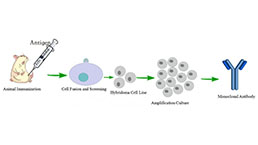 Monoclonal Antibody Customized Service
-
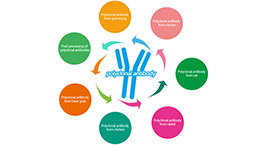 Polyclonal Antibody Customized Service
-
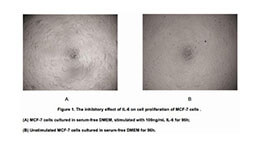 Protein Activity Test Experiment Service
-
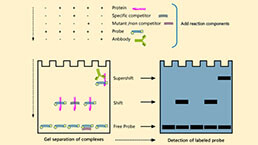 Electrophoretic Mobility Shift Assay (EMSA) Experiment Service
-
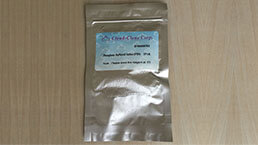 Buffer
-
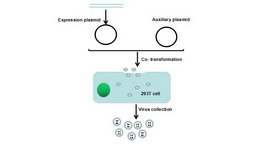 Lentivirus Packaging Experiment Service
-
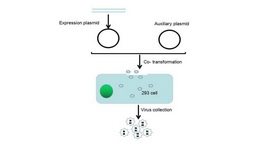 Adenovirus Packaging Experiment Service
-
 Real Time PCR Experimental Service
-
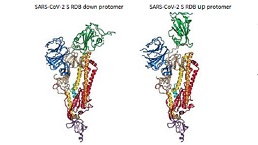 Spike RBD Protein (S-RBD)
-
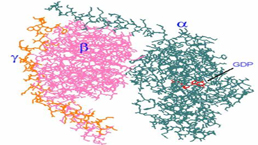 Protein G
-
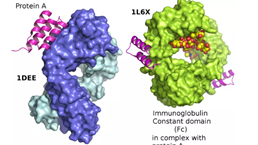 Protein A
Citations
- Effective immunotherapy of rat glioblastoma with prolonged intratumoral delivery of exogenous heat shock protein Hsp70Pubmed:24691976
- Z-100, an Immunomodulatory Extract of Mycobacterium tuberculosis Strain Aoyama B, Prevents Spontaneous Lymphatic Metastasis of B16-BL6 MelanomaPubmed:24818259
- Relationships among plasma granzyme B level, pruritus and dermatitis in patients with atopicdermatitis.pubmed:27686401
- Tumor-derived granzyme B-expressing neutrophils acquire antitumor potential after lipid A treatmentPubmed:29983866
- A novel Granzyme B nanoparticle delivery system simulates immune cell functions for suppression of solid tumorsPubmed: 31695790
- Combined treatment with epigenetic agents enhances anti-tumor activity of T cells by upregulating the ACRBP expression in hepatocellular carcinoma34377237