


Active Haptoglobin (Hpt) 

HP; Hp2-Alpha; Alpha-2-Macroglobulin; Zonulin
- UOM
- FOB US$ 286.00 US$ 715.00 US$ 1,430.00 US$ 4,290.00 US$ 10,725.00
- Quantity
Overview
Properties
- Product No.APA817Ra61
- Organism SpeciesRattus norvegicus (Rat) Same name, Different species.
- ApplicationsCell culture; Activity Assays.
Research use only - DownloadInstruction Manual
- CategoryInfection immunityHematology
- Buffer FormulationPBS, pH7.4, containing 5% Trehalose.
- Traits Freeze-dried powder, Purity > 80%
- Isoelectric Point6.3
Sign into your account
Share a new citation as an author
Upload your experimental result
Review

Contact us
Please fill in the blank.
-
 Packages (Simulation)
-
 Packages (Simulation)
-
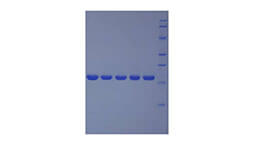
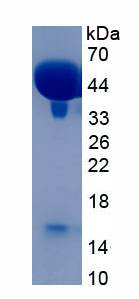 Figure. SDS-PAGE
-
 ISO9001: 2008, ISO13485: 2003 Registered
Activity test
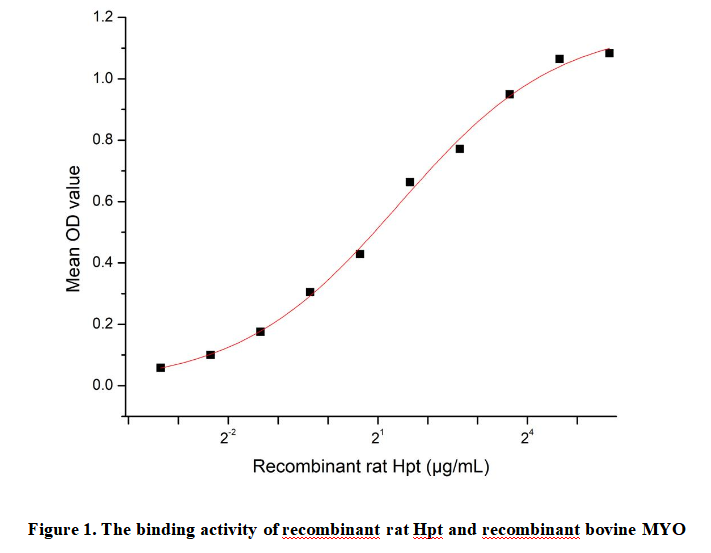
Haptoglobin (Hpt) is an acute-phase plasma glycoprotein primarily produced by hepatocytes. It serves crucial roles in iron homeostasis and antioxidant defense by binding free hemoglobin (Hb) released during hemolysis, forming an irreversible Hpt-Hb complex. This complex is rapidly cleared via macrophage CD163 receptors, preventing Hb-induced oxidative tissue damage and iron loss. As a sensitive acute-phase reactant, Hpt levels elevate markedly during inflammation, infection, or tissue injury, making it a valuable clinical marker. Notably, Hpt can also bind myoglobin (MYO) - though with lower affinity than Hb - potentially alleviating MYO-mediated oxidative stress in rhabdomyolysis or muscle injury.Thus a functional binding ELISA assay was conducted to detect the interaction of recombinant rat Hpt and recombinant bovine MYO . Briefly, biotin-linked Hpt were diluted serially in PBS, with 0.01% BSA (pH 7.4). Duplicate samples of 100μl were then transferred to MYO-coated microtiter wells and incubated for 1h at 37℃. Wells were washed with PBST 3 times and incubation with Streptavidin-HRP for 30min, then wells were aspirated and washed 5 times. With the addition of substrate solution, wells were incubated 15-25 minutes at 37℃. Finally, add 50µl stop solution to the wells and read at 450nm immediately. The binding activity of recombinant rat Hpt and recombinant bovine MYO was shown in Figure 1, the EC50 for this effect is 0.57 µg/mL.
Usage
Reconstitute in 10mM PBS (pH7.4) to a concentration of 0.1-1.0 mg/mL. Do not vortex.
Storage
Avoid repeated freeze/thaw cycles. Store at 2-8°C for one month. Aliquot and store at -80°C for 12 months.
Stability
The thermal stability is described by the loss rate. The loss rate was determined by accelerated thermal degradation test, that is, incubate the protein at 37°C for 48h, and no obvious degradation and precipitation were observed. The loss rate is less than 5% within the expiration date under appropriate storage condition.
Increment services
-
 BCA Protein Quantification Kit
-
 Molecular Mass Marker for Protein
-
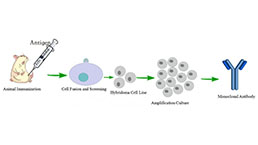 Monoclonal Antibody Customized Service
-
 Polyclonal Antibody Customized Service
-
 Protein Activity Test Experiment Service
-
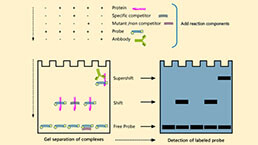 Electrophoretic Mobility Shift Assay (EMSA) Experiment Service
-
 Buffer
-
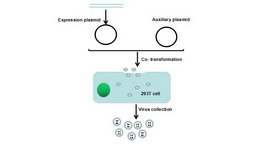 Lentivirus Packaging Experiment Service
-
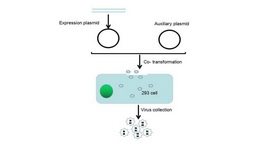 Adenovirus Packaging Experiment Service
-
 Real Time PCR Experimental Service
-
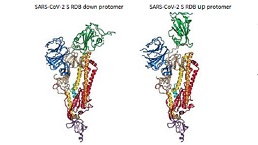 Spike RBD Protein (S-RBD)
-
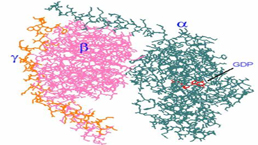 Protein G
-
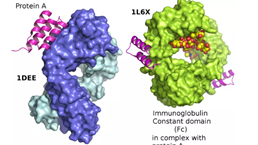 Protein A
Citations
- Circulation levels of acute phase proteins in patients with Takayasu arteritisPubMed: 20100644
- Quantitative trait loci mapping of the mouse plasma proteome (pQTL).NCBI: PMC3567747
- Docosahexaenoic and eicosapentaenoic acid supplementation does not exacerbate oxidative stress or intravascular haemolysis in homozygous sickle cell patients.Pubmed: 24095588
- Gut Microbial Dysbiosis May Predict Diarrhea and Fatigue in Patients Undergoing Pelvic Cancer Radiotherapy: A Pilot StudyPubMed: 25955845
- Application of a new procedure for liquid chromatography/mass spectrometry profiling of plasma amino acid-related metabolites and untargeted shotgun proteomics to identify mechanisms and biomarkers of calcific aortic stenosisS0021967317311858
- High complement levels in astrocyte‐derived exosomes of Alzheimer diseasePubmed:29406582
- Effects of Hippophae rhamnoides L. Leaf and Marc Extract with Reduced Tannin Concentration on the Health and Growth Parameters of Newborn Calves
- Using ruminally protected and nonprotected active dried yeast as alternatives to antibiotics in finishing beef steers: growth performance, carcass traits, blood …Pubmed: 30184125
- Urinary Proteomics for the Early Diagnosis of Diabetic Nephropathy in Taiwanese PatientsPubmed: 30486327
- Generation of Pigs Resistant to Highly Pathogenic-Porcine Reproductive and Respiratory Syndrome Virus through Gene Editing of CD163
- Prolyl endopeptidase-degraded low immunoreactive wheat flour attenuates immune responses in Caco-2 intestinal cells and gluten-sensitized BALB/c micePubmed: 31082461
- Ruminally protected and unprotected Saccharomyces cerevisiae fermentation products as alternatives to antibiotics in finishing beef steersPubmed: 31410465
- Deletion of CD163 Exon 7 Confers Resistance to Highly Pathogenic Porcine Reproductive and Respiratory Viruses on Pigs
- Intestinal permeability and small intestine bacterial overgrowth in excess weight adolescentsPubmed: 33089672
- Processing Index of Barley Grain and Dietary Undigested Neutral Detergent Fiber Concentration Affected Chewing Behavior, Ruminal pH and Total Tract Nutrient?¡33474564
- Influence of niacin application on inflammatory parameters, non-esterified fatty acids and functional status of liver in cows during early lactation
- Could serum zonulin be an intestinal permeability marker in diabetes kidney disease?34170951
- The Effect of Feed Supplementation with EM Bokashi® Multimicrobial Probiotic Preparation on Selected Parameters of Sow Colostrum and Milk as Indicators …34596883