


Active Interleukin 13 (IL13) 

ALRH; BHR1; P600; IL-13; NC30
- UOM
- FOB US$ 344.00 US$ 860.00 US$ 1,720.00 US$ 5,160.00 US$ 12,900.00
- Quantity
Overview
Properties
- Product No.APA060Hu62
- Organism SpeciesHomo sapiens (Human) Same name, Different species.
- ApplicationsCell culture; Activity Assays.
Research use only - DownloadInstruction Manual
- CategoryCytokineInfection immunity
- Buffer FormulationPBS, pH7.4, containing 5% Trehalose.
- Traits Freeze-dried powder, Purity > 80%
- Isoelectric Point8.3
Sign into your account
Share a new citation as an author
Upload your experimental result
Review

Contact us
Please fill in the blank.
-
 Packages (Simulation)
-
 Packages (Simulation)
-
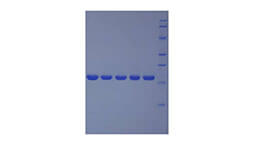
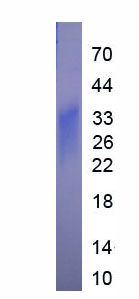 Figure. SDS-PAGE
-
 ISO9001: 2008, ISO13485: 2003 Registered
Activity test
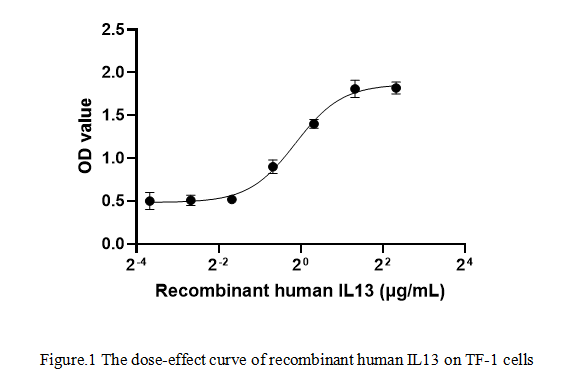
Interleukin 13 (IL13) is cytokine secreted by many cell types, but especially T helper type 2 (Th2) cells. IL13 has effects on immune cells that are similar to those of the closely related cytokine IL4. In addition, IL-13-bound IL-13 Rα2 can directly promote tumor cell proliferation、invasiveness and the development of tissue fibrosis. To test the effect of IL13 on cell proliferation, TF-1 cells were seeded into triplicate wells of 96-well plates and allowed to attach, replaced with various concentrations of recombinant human IL13. After incubated for 72h, cells were observed by inverted microscope and cell proliferation was measured by Cell Counting Kit-8 (CCK-8). Briefly, 10 µl of CCK-8 solution was added to each well of the plate, then the absorbance at 450 nm was measured using a microplate reader after incubating the plate for 1-4 hours at 37 ℃. Cell viability was assessed by CCK-8 assay after incubation with recombinant human IL13 for 72h. The result was shown in Figure 1. It was obvious that IL13 significantly increased cell viability of TF-1 cells. The ED50 of recombinant human IL13 is 0.914 μg/ml.
Usage
Reconstitute in 10mM PBS (pH7.4) to a concentration of 0.1-1.0 mg/mL. Do not vortex.
Storage
Avoid repeated freeze/thaw cycles. Store at 2-8°C for one month. Aliquot and store at -80°C for 12 months.
Stability
The thermal stability is described by the loss rate. The loss rate was determined by accelerated thermal degradation test, that is, incubate the protein at 37°C for 48h, and no obvious degradation and precipitation were observed. The loss rate is less than 5% within the expiration date under appropriate storage condition.
Increment services
-
 BCA Protein Quantification Kit
-
 Molecular Mass Marker for Protein
-
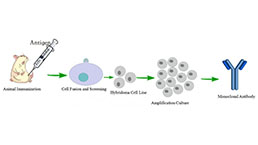 Monoclonal Antibody Customized Service
-
 Polyclonal Antibody Customized Service
-
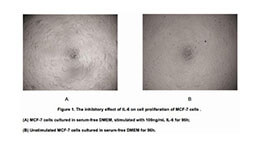 Protein Activity Test Experiment Service
-
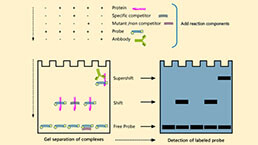 Electrophoretic Mobility Shift Assay (EMSA) Experiment Service
-
 Buffer
-
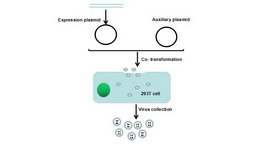 Lentivirus Packaging Experiment Service
-
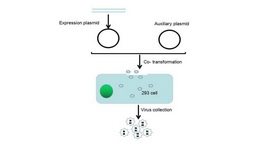 Adenovirus Packaging Experiment Service
-
 Real Time PCR Experimental Service
-
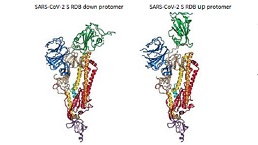 Spike RBD Protein (S-RBD)
-
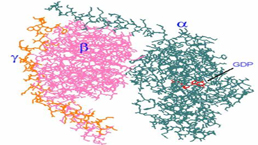 Protein G
-
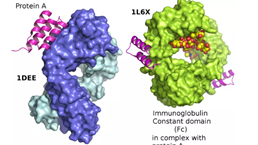 Protein A
Citations
- Systemic release of cytokines and heat shock proteins in porcine models of polytrauma and hemorrhagePubMed: PMC3383056
- Downregulation of SUMF2 gene in ovalbumin-induced rat model of allergic inflammationPubMed: 26722390
- Antiinflammatory Effect of N-Acetylcysteine Combined with Exogenous Surfactant in Meconium-Induced Lung InjuryPubmed:27283193
- Targeted inhibition of GATA-6 attenuates airway inflammation and remodeling by reCavia (Guinea pig )lating caveolin-1 through TLR2/MyD88/NF-ŚĘB in murine model of asthmaPubmed:27289030
- Gln Attenuates LPS-induced Inflammatory Injury of Bos taurus Testis Sustentacular Cells10610
- Lymphocytic, cytokine and transcriptomic profiles in peripheral blood of dogs with atopic dermatitispubmed:27553600
- Targeted inhibition of GATA-6 attenuates airway inflammation and remodeling by regulating caveolin-1 through TLR2/MyD88/NF-κB in murine model of asthmapubmed:27289030
- Lung inflammatory and oxidative alterations after exogenous surfactant therapy fortified with budesonide in rabbit model of meconium aspiration syndrome.pubmed:28006947
- Oral administration of Clostridium butyricum CGMCC0313‐1 reduces ovalbumin‐induced allergic airway inflammation in micepubmed:28250847
- Cytokine levels in colostrum and in foals' serum pre- and post-sucklingpubmed:28242000
- Oral administration of Clostridium butyricum CGMCC0313-1 reduces ovalbumin-induced allergic airway inflammation in micepubmed:28122397
- Commensal bacteria aggravate allergic asthma via NLRP3/IL-1β signaling in post-weaning mice10.1016:j.jaut.2018.07.003
- Quantitative and Qualitative Characterization of Phagocytic Activity of Macrophages of Bone Marrow and Fetal OriginPubmed: 31183654
- Melatonin biosynthesis restored by CpG oligodeoxynucleotides attenuates allergic airway inflammation via regulating NLRP3 inflammasomePubmed: 31738882
- TLR2-Melatonin Feedback Loop Regulates the Activation of NLRP3 Inflammasome in Murine Allergic Airway InflammationPubmed: 32117301
- Fasciola gigantica excretory-secretory products (FgESPs) modulate the differentiation and immune functions of buffalo dendritic cells through a mechanism …Pubmed: 32680553
- Qingfei oral liquid alleviates airway hyperresponsiveness and mucus hypersecretion via TRPV1 signaling in RSV-infected asthmatic micePubmed: 32521453
- Mahuang Xixin Fuzi Decoction protects against ovalbumin-induced allergic rhinitis by inhibiting type 2 innate lymphoid cells in mice
- Qingfei oral liquid downregulates TRPV1 expression to reduce airway inflammation and mucus hypersecretion injury caused by respiratory syncytial virus infection …
- Tanshinone IIA-loaded aligned microfibers facilitate stem cell recruitment and capillary formation by inducing M2 macrophage polarization
- Aggravation of Airway Inflammation in RSV-Infected Asthmatic Mice Following Infection-Induced Alteration of Gut Microbiota
- Qingfei oral liquid inhibited autophagy to alleviate inflammation via mTOR signaling pathway in RSV-infected asthmatic mice33706133
- Aligned microfiber-induced macrophage polarization to guide schwann-cell-enabled peripheral nerve regeneration33813259
- Beneficial impact of cathelicidin on hypersensitivity pneumonitis treatment¡ªIn vivo studies33999928
- Anti-inflammatory activity of non-selective PDE inhibitor aminophylline on the lung tissue and respiratory parameters in animal model of ARDS