


Active Nerve Growth Factor (NGF) 

NGFB; Beta-NGF; HSAN5; NGF-B; Beta-Nerve Growth Factor
- UOM
- FOB US$ 268.00 US$ 670.00 US$ 1,340.00 US$ 4,020.00 US$ 10,050.00
- Quantity
Overview
Properties
- Product No.APA105Eq01
- Organism SpeciesEquus caballus; Equine (Horse) Same name, Different species.
- ApplicationsCell culture; Activity Assays.
Research use only - Downloadn/a
- CategoryCytokineNeuro science
- Buffer FormulationPBS, pH7.4, containing 0.01% SKL, 5% Trehalose.
- Traits Freeze-dried powder, Purity > 90%
- Isoelectric Point10.2
Sign into your account
Share a new citation as an author
Upload your experimental result
Review

Contact us
Please fill in the blank.
-
 Packages (Simulation)
-
 Packages (Simulation)
-
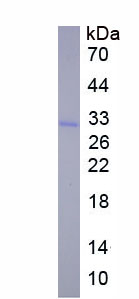 SDS-PAGE
-
 ISO9001: 2008, ISO13485: 2003 Registered
Activity test

Nerve Growth Factor (NGF) is a pivotal member of the neurotrophin family, first identified for its role in regulating the survival, differentiation, and maintenance of peripheral and central neurons. Encoded by the NGF gene, it is synthesized as a precursor (proNGF) and processed into mature NGF. NGF exerts biological effects by binding to two distinct receptors: high-affinity TrkA (tyrosine kinase A) and low-affinity p75NTR. Binding to TrkA activates downstream signaling cascades that promote neuronal growth and survival, while p75NTR modulates diverse cellular responses including apoptosis. Beyond neurobiology, NGF is involved in immune function, inflammation, and tissue repair. Abnormal NGF expression is linked to neurodegenerative diseases, chronic pain, and cancer, making it a key target for therapeutic development in neurological and inflammatory disorders.To detect the activity of recombinant NGF , a functional ELISA assay was performed to evaluate the interaction between recombinant horse NGF and rat human GDNF.Briefly, GDNF was diluted serially in PBS with 0.01% BSA (pH 7.4). Duplicate samples of 100 μl were then transferred to NGF-coated microtiter wells and incubated for 1h at 37℃. Wells were washed with PBST and incubated for 1h with anti-GDNF pAb, then aspirated and washed 3 times. After incubation with HRP labelled secondary antibody for 1h at 37℃, wells were aspirated and washed 5 times. With the addition of substrate solution, wells were incubated 15-25 minutes at 37℃. Finally, add 50 µL stop solution to the wells and read at 450/630nm immediately.Measured by its binding ability in a functional ELISA. When Recombinant NGF is lmmobilized at 2 µg/mL(100 uLwell), the concentration of GDNF that produces 50% optimal bindingresponse is found to be approximately 0.69949µg/mL.
Usage
Reconstitute in 10mM PBS (pH7.4) to a concentration of 0.1-1.0 mg/mL. Do not vortex.
Storage
Avoid repeated freeze/thaw cycles. Store at 2-8°C for one month. Aliquot and store at -80°C for 12 months.
Stability
The thermal stability is described by the loss rate. The loss rate was determined by accelerated thermal degradation test, that is, incubate the protein at 37°C for 48h, and no obvious degradation and precipitation were observed. The loss rate is less than 5% within the expiration date under appropriate storage condition.
Increment services
-
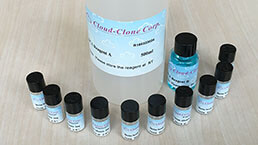 BCA Protein Quantification Kit
-
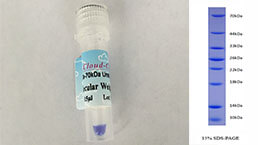 Molecular Mass Marker for Protein
-
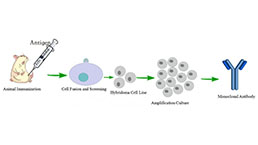 Monoclonal Antibody Customized Service
-
 Polyclonal Antibody Customized Service
-
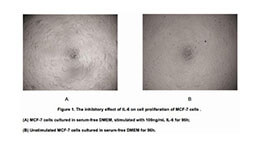 Protein Activity Test Experiment Service
-
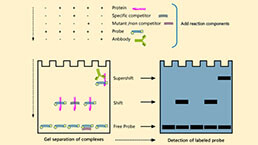 Electrophoretic Mobility Shift Assay (EMSA) Experiment Service
-
 Buffer
-
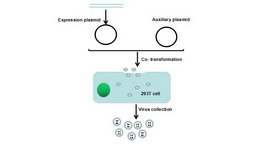 Lentivirus Packaging Experiment Service
-
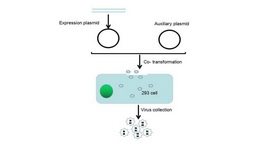 Adenovirus Packaging Experiment Service
-
 Real Time PCR Experimental Service
-
 Spike RBD Protein (S-RBD)
-
 Protein G
-
 Protein A
Citations
- Low-intensity aerobic exercise mitigates exercise-induced bronchoconstriction by improving the function of adrenal medullary chromaffin cells in asthmatic ratsPubmed:25212248
- Neurotrophic and antioxidant effects of silymarin comparable to 4-methylcatechol in protection against gentamicin-induced ototoxicity in guinea pigsPubmed:25445537
- NGF and HB-EGF: Potential Biomarkers that Reflect the Effects of Fesoterodine in Patients with Overactive Bladder SyndromePubmed:25510766
- High glucose upregulates CYP24A1 expression which attenuates the ability of 1,25(OH)2D3 to increase NGF secretion in a rat Schwann cell line RSC96Pubmed:25614971
- High glucose upregulates CYP24A1 expression which attenuates the ability of 1,25(OH)2D3PubMed: 25614971
- Telmisartan inhibits hyperalgesia and inflammatory progression in a diabetic neuropathic pain model of Wistar rats.PubMed: 25864063
- Pro-apoptotic Action of Corticosterone in Hippocampal Organotypic CulturesPubmed:27189478
- Chronic mild stress influences nerve growth factor through a matrix metalloproteinase-dependent mechanismPubmed:26771945
- Changes in growth factor levels in the cerebrospinal fluid of autism patients after transplantation of human umbilical cord blood mononuclear cells and umbilical cord-derived mesenchymal stem cellsPubmed:27323064
- Differential expression of cord blood neurotrophins in gestational diabetes: the impact of fetal growth abnormalitiespubmed:28081639
- An Intranasal Formulation of Erythropoietin (Neuro-EPO) Prevents Memory Deficits and Amyloid Toxicity in the APPSwe Transgenic Mouse Model of Alzheimer's …articles:journal-of-alzheimers-disease
- Evaluación de la secreción de factores neurotróficos por las células MSV en cocultivo con neurorretinas porcinas, en función de la dosis celular y del tiempo de cultivo10324/27440
- Antidepressant drugs for beta amyloid-induced depression: A new standpoint?pubmed:28499898
- Mechanical loading of intervertebral disc modulates microglia proliferation, activation, and chemotaxisPubmed:29723636
- Autophagy is required for human umbilical cord mesenchymal stem cells to improve spatial working memory in APP/PS1 transgenic mouse modelPubmed:29335016
- N-3 PUFA diet enrichment prevents amyloid beta-induced depressive-like phenotypePubmed:29203442
- Preterm umbilical cord blood derived mesenchymal stem/stromal cells protect preterm white matter brain development against hypoxia-ischemiaPubmed:30012511
- Effects of n-3 PUFA enriched and n-3 PUFA deficient diets in naïve and Aβ-treated female ratsPubmed:30028991
- 3‐‐Laurylglyceryl ascorbate improves the development of sensitive skin through the reduction of oxidative stressPubmed: 30698879
- Administration of Repetitive Transcranial Magnetic Stimulation Attenuates Aβ1-42-Induced Alzheimer's Disease in Mice by Activating β-Catenin Signaling
- A novel xeno-free culture system for human retinal pigment epithelium cellsPubmed: 31024807
- Involvement of neurotrophic signaling in doxorubicin‑induced cardiotoxicityPubmed: 32010279
- Inhibition of Receptor for Advanced Glycation End Products as New Promising Strategy Treatment in Diabetic RetinopathyPubmed: 32165929
- Hyperlipidemia Down‐Regulate Brain Antioxidant Defense Enzymes and Neurotrophins in Rats: Assessment of the Modulatory Potential of EPA+ DHA and …Pubmed: 32918393
- Impaired LTD-like motor cortical plasticity in female patients with major depression disorderPubmed: 32791084
- Effects of gold nanoparticles administration through behavioral and oxidative parameters in animal model of parkinson's diseasePubmed: 32777662
- Neurobiological determinants of depressive-like symptoms in rodents
- Changes of substance P, NGF and CGRP salivary levels among patients undergoing physical therapy
- Multiple-component dual-phase solid lipid nanoparticles with conjugated transferrin for formulating antioxidants and nerve growth factor against neuronal apoptosis
- Increased serum brain-derived neurotrophic factor and adrenocorticotropic hormone levels are associated with obsessive compulsive disorder in medication?free?¡33389158
- Neuroprotective effect of Na+/H+?exchangers isoform©\1 inactivation against 6©\hydroxydopamine©\induced mitochondrial dysfunction and neuronal apoptosis in Parkinson's disease models33538000
- Sea urchin gangliosides exhibit neuritogenic effects in neuronal PC12 cells via TrkA- and TrkB-related pathways33589896
- Repetitive Transcranial Magnetic Stimulation Improves Mild Cognitive Impairment Associated with Alzheimer's Disease in Mice by Modulating the miR-567 …34239303
- Carissa macrocarpa Leaves Polar Fraction Ameliorates Doxorubicin-Induced Neurotoxicity in Rats via Downregulating the Oxidative Stress and Inflammatory Markers34959705
- CNTs‐CaP/chitosan‐coated AZ91D magnesium alloy extract promoted rat dorsal root ganglia neuron growth via activating ERK signalling pathway34296452
- Gene delivery of chitosan-graft-polyethyleneimine vectors loaded on scaffolds for nerve regenerationPubmed:35550777