


Active Prestin (PRES) 

SLC26A5; DFNB61; Solute Carrier Family 26 Member 5; Deafness,Neurosensory,Autosomal Recessive 61
- UOM
- FOB US$ 248.00 US$ 620.00 US$ 1,240.00 US$ 3,720.00 US$ 9,300.00
- Quantity
Overview
Properties
- Product No.APE475Mu62
- Organism SpeciesMus musculus (Mouse) Same name, Different species.
- ApplicationsCell culture; Activity Assays.
Research use only - Downloadn/a
- CategoryOphthalmology & Otorhinolaryngology
- Buffer FormulationPBS, pH7.4, containing 0.01% SKL, 1mM DTT, 5% Trehalose and Proclin300.
- Traits Freeze-dried powder, Purity > 90%
- Isoelectric Point4.3
Sign into your account
Share a new citation as an author
Upload your experimental result
Review

Contact us
Please fill in the blank.
-
 Packages (Simulation)
-
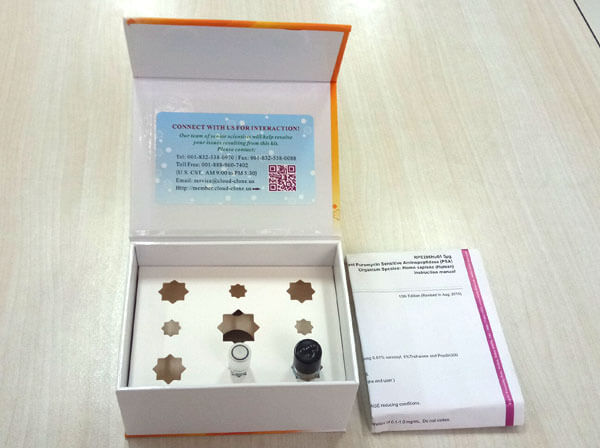 Packages (Simulation)
-
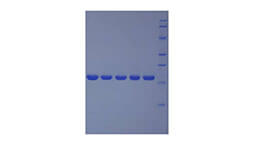
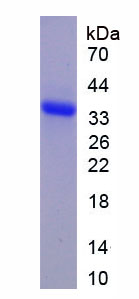 SDS-PAGE
-
 ISO9001: 2008, ISO13485: 2003 Registered
Activity test
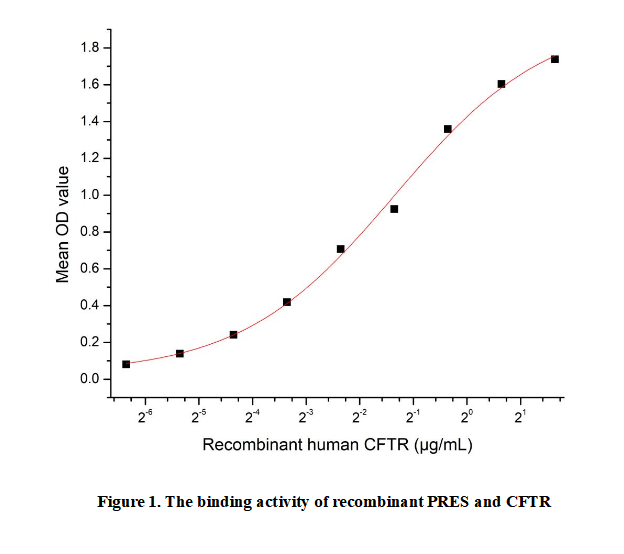
Prestin (PRES), encoded by the SLC26A5 gene, is a key motor protein exclusively expressed in outer hair cells (OHCs) of the mammalian cochlea. It mediates the unique "electromotility" of OHCs—rapid shape changes in response to electrical signals—which amplifies sound vibrations and enhances hearing sensitivity. As a member of the SLC26 anion transporter family, prestin uses voltage-dependent conformational shifts to drive OHC length changes, a process critical for fine-tuning auditory responses. Currently, there is no direct evidence of physical binding between prestin (PRES) and CFTR; their functional interactions in ion homeostasis remain to be clarified.Briefly, CFTR was diluted serially in PBS with 0.01% BSA (pH 7.4). Duplicate samples of 100 μl were then transferred to PRES-coated microtiter wells and incubated for 1h at 37℃. Wells were washed with PBST and incubated for 1h with anti-CFTR pAb, then aspirated and washed 3 times. After incubation with HRP labelled secondary antibody for 1h at 37℃, wells were aspirated and washed 5 times. With the addition of substrate solution, wells were incubated 15-25 minutes at 37℃. Finally, add 50 µL stop solution to the wells and read at 450/630nm immediately.Measured by its binding ability in a functional ELISA. When Recombinant PRES is lmmobilized at 2 µg/mL(100 uLwell), the concentration of CFTR that produces 50% optimal bindingresponse is found to be approximately 0.39287 µg/mL.
Usage
Reconstitute in 10mM PBS (pH7.4) to a concentration of 0.1-1.0 mg/mL. Do not vortex.
Storage
Avoid repeated freeze/thaw cycles. Store at 2-8°C for one month. Aliquot and store at -80°C for 12 months.
Stability
The thermal stability is described by the loss rate. The loss rate was determined by accelerated thermal degradation test, that is, incubate the protein at 37°C for 48h, and no obvious degradation and precipitation were observed. The loss rate is less than 5% within the expiration date under appropriate storage condition.
Increment services
-
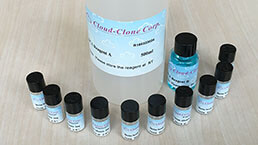 BCA Protein Quantification Kit
-
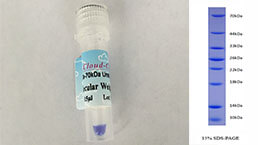 Molecular Mass Marker for Protein
-
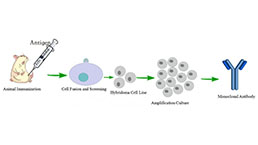 Monoclonal Antibody Customized Service
-
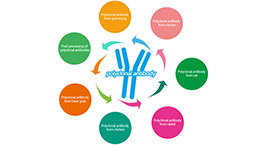 Polyclonal Antibody Customized Service
-
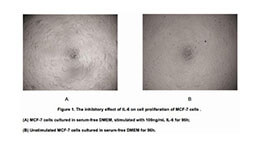 Protein Activity Test Experiment Service
-
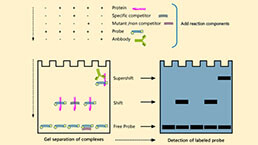 Electrophoretic Mobility Shift Assay (EMSA) Experiment Service
-
 Buffer
-
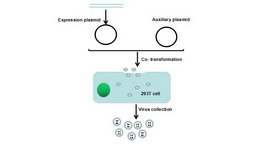 Lentivirus Packaging Experiment Service
-
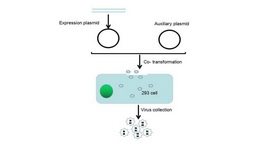 Adenovirus Packaging Experiment Service
-
 Real Time PCR Experimental Service
-
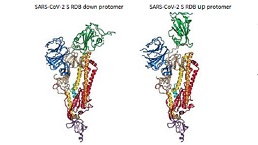 Spike RBD Protein (S-RBD)
-
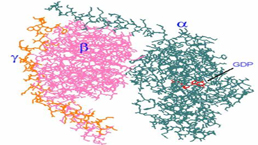 Protein G
-
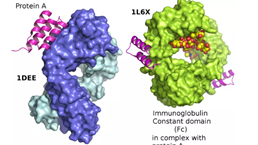 Protein A