


Active Tumor Necrosis Factor Receptor Superfamily, Member 9 (TNFRSF9) 

CD137; CDw137; 4-1BB; ILA; Induced By Lymphocyte Activation; T-cell antigen 4-1BB homolog
Overview
Properties
- Product No.APB527Hu61
- Organism SpeciesHomo sapiens (Human) Same name, Different species.
- ApplicationsCell culture; Activity Assays.
Research use only - Downloadn/a
- CategoryCD & Adhesion molecule
- Buffer FormulationPBS, pH7.4, containing 0.01% SKL, 5% Trehalose.
- Traits Freeze-dried powder, Purity > 90%
- Isoelectric Point7.5
Sign into your account
Share a new citation as an author
Upload your experimental result
Review

Contact us
Please fill in the blank.
-
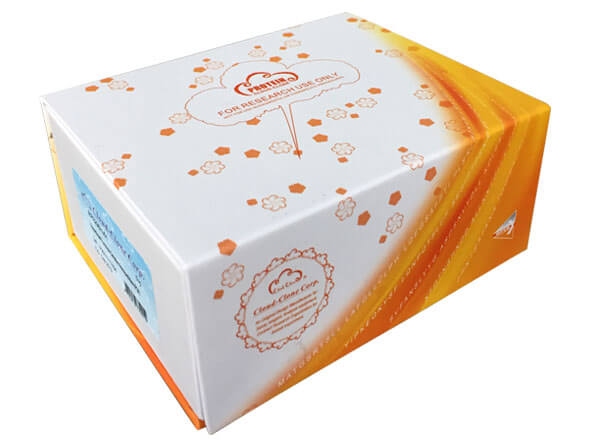 Packages (Simulation)
-
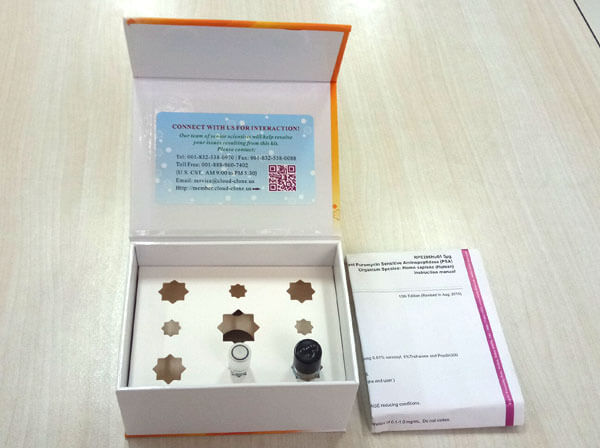 Packages (Simulation)
-
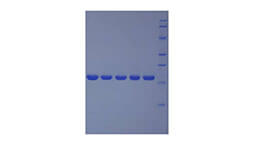
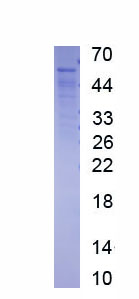 SDS-PAGE
-
 ISO9001: 2008, ISO13485: 2003 Registered
Activity test
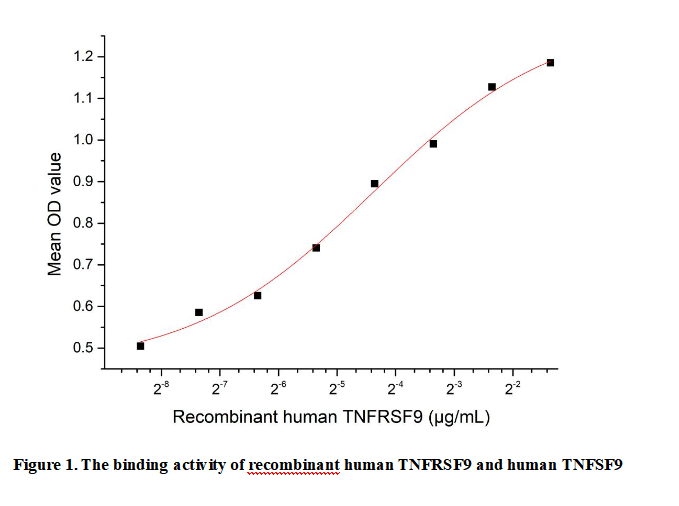
Tumor Necrosis Factor Receptor Superfamily, Member 9 (TNFRSF9), also named CD137/4-1BB, acts as a type I transmembrane costimulatory receptor. Expressed mainly on activated T cells and also on B cells, monocytes and transformed cell lines, it mediates T cell clonal expansion, survival and development by activating the NF-κB signaling pathway via TRAF adaptor proteins. It enhances CD8 T cell effector functions, modulates Th1 immune responses and induces monocyte proliferation, playing a pivotal role in anti-tumor and anti-viral immunity. Dysregulated TNFRSF9 expression is linked to autoimmune diseases and tumor progression, making it a promising target for cancer immunotherapy. TNFRSF9 binds trimeric TNFSF9 on APCs via extracellular cysteine-rich domains to trigger bidirectional immune signaling.Briefly, TNFSF9 was diluted serially in PBS with 0.01% BSA (pH 7.4). Duplicate samples of 100 μL were then transferred to TNFRSF9-coated microtiter wells and incubated for 1h at 37℃. Wells were washed with PBST and incubated for 1h with anti-TNFSF9 pAb, then aspirated and washed 3 times. After incubation with HRP labelled secondary antibody for 1h at 37℃, wells were aspirated and washed 5 times. With the addition of substrate solution, wells were incubated 15-25 minutes at 37℃. Finally, add 50 µL stop solution to the wells and read at 450/630nm immediately. Measured by its binding ability in a functional ELISA. When Recombinant human TNFRSF9 is lmmobilized at 2 µg/mL(100 µLwell), the concentration of human TNFSF9 that produces 50% optimal bindingresponse is found to be approximately 0.048 µg/mL.
Usage
Reconstitute in 10mM PBS (pH7.4) to a concentration of 0.1-1.0 mg/mL. Do not vortex.
Storage
Avoid repeated freeze/thaw cycles. Store at 2-8°C for one month. Aliquot and store at -80°C for 12 months.
Stability
The thermal stability is described by the loss rate. The loss rate was determined by accelerated thermal degradation test, that is, incubate the protein at 37°C for 48h, and no obvious degradation and precipitation were observed. The loss rate is less than 5% within the expiration date under appropriate storage condition.
Increment services
-
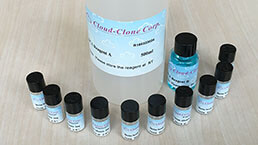 BCA Protein Quantification Kit
-
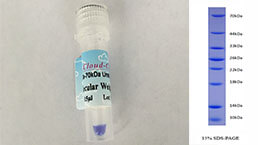 Molecular Mass Marker for Protein
-
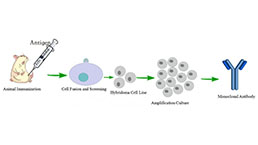 Monoclonal Antibody Customized Service
-
 Polyclonal Antibody Customized Service
-
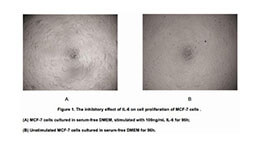 Protein Activity Test Experiment Service
-
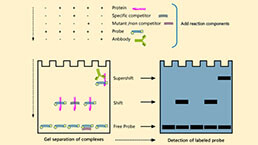 Electrophoretic Mobility Shift Assay (EMSA) Experiment Service
-
 Buffer
-
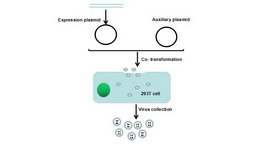 Lentivirus Packaging Experiment Service
-
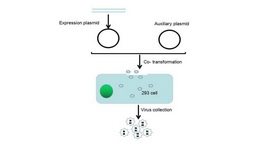 Adenovirus Packaging Experiment Service
-
 Real Time PCR Experimental Service
-
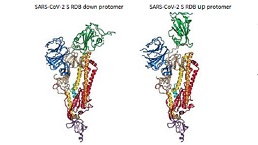 Spike RBD Protein (S-RBD)
-
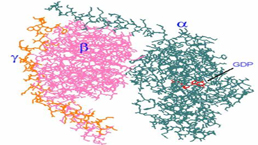 Protein G
-
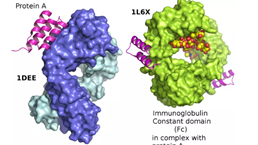 Protein A