


Active Vitamin D Binding Protein (DBP) 

GC; VDBG; VDBP; Group-Specific Component; Gc-globulin
- UOM
- FOB US$ 200.00 US$ 500.00 US$ 1,000.00 US$ 3,000.00 US$ 7,500.00
- Quantity
Overview
Properties
- Product No.APB810Hu01
- Organism SpeciesHomo sapiens (Human) Same name, Different species.
- ApplicationsCell culture; Activity Assays.
Research use only - DownloadInstruction Manual
- CategoryMetabolic pathwayTumor immunity
- Buffer FormulationPBS, pH7.4, containing 0.01% SKL, 5% Trehalose.
- Traits Freeze-dried powder, Purity > 90%
- Isoelectric Point5.7
Sign into your account
Share a new citation as an author
Upload your experimental result
Review

Contact us
Please fill in the blank.
-
 Packages (Simulation)
-
 Packages (Simulation)
-
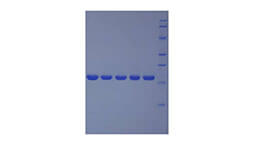
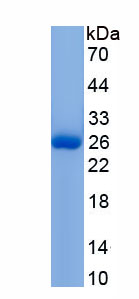 Figure. SDS-PAGE
-
 ISO9001: 2008, ISO13485: 2003 Registered
Activity test
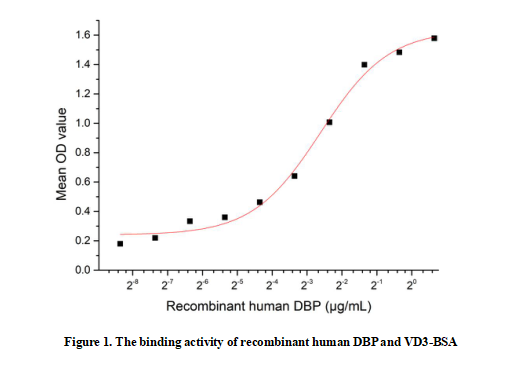
Vitamin D Binding Protein (DBP, encoded by the GC gene, also termed Gc-globulin, product B810Hu) is a ~58 kDa multifunctional serum glycoprotein belonging to the albumin gene family. Synthesized primarily in the liver, it is encoded on human chromosome 4q11–q13 and comprises 458 amino acids with three structural domains. DBP is the principal carrier of vitamin D3 (VD3) and its metabolites (e.g., calcidiol, calcitriol), solubilizing these lipophilic molecules and mediating their systemic transport to target tissues. Beyond vitamin D transport, it sequesters extracellular G-actin and modulates macrophage activation and immune responses. DBP specifically binds the VD3 moiety of VD3-BSA conjugate with high affinity via its N-terminal sterol-binding pocket. Thus a functional ELISA assay was conducted to detect the interaction of recombinant human DBP and VD3-BSA. Briefly, DBP was diluted serially in PBS with 0.01% BSA (pH 7.4). Duplicate samples of 100 μl were then transferred to VD3-BSA-coated microtiter wells and incubated for 1h at 37℃. Wells were washed with PBST and incubated for 1h with anti-DBP pAb, then aspirated and washed 3 times. After incubation with HRP labelled secondary antibody for 1h at 37℃, wells were aspirated and washed 5 times. With the addition of substrate solution, wells were incubated 15-25 minutes at 37℃. Finally, add 50 µL stop solution to the wells and read at 450/630nm immediately. The binding activity of recombinant human DBP and VD3-BSA was shown in Figure 1, the EC50 for this effect is 0.163 µg/mL.
Usage
Reconstitute in 10mM PBS (pH7.4) to a concentration of 0.1-1.0 mg/mL. Do not vortex.
Storage
Avoid repeated freeze/thaw cycles. Store at 2-8°C for one month. Aliquot and store at -80°C for 12 months.
Stability
The thermal stability is described by the loss rate. The loss rate was determined by accelerated thermal degradation test, that is, incubate the protein at 37°C for 48h, and no obvious degradation and precipitation were observed. The loss rate is less than 5% within the expiration date under appropriate storage condition.
Increment services
-
 BCA Protein Quantification Kit
-
 Molecular Mass Marker for Protein
-
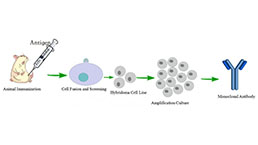 Monoclonal Antibody Customized Service
-
 Polyclonal Antibody Customized Service
-
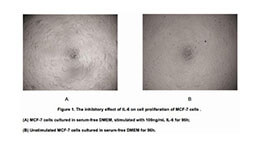 Protein Activity Test Experiment Service
-
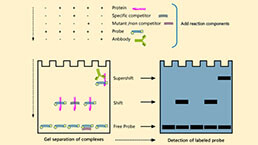 Electrophoretic Mobility Shift Assay (EMSA) Experiment Service
-
 Buffer
-
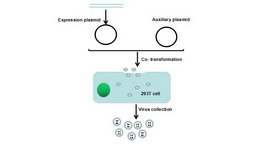 Lentivirus Packaging Experiment Service
-
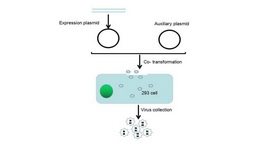 Adenovirus Packaging Experiment Service
-
 Real Time PCR Experimental Service
-
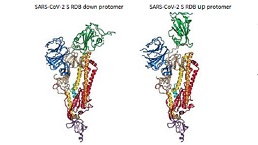 Spike RBD Protein (S-RBD)
-
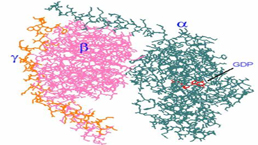 Protein G
-
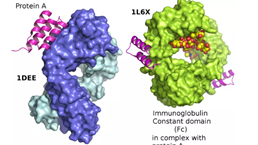 Protein A
Citations
- Isotope Coded Protein Labeling analysis of plasma specimens from acute severe dengue fever patientsPubMed: 23101585
- Increased Circulating Levels of Vitamin D Binding Protein in MS PatientsPubmed:25590278
- Vitamin D-binding protein and free vitamin D concentrations in acromegalyPubMed: 26547217
- Comparative mass spectrometric and immunoassay‐based proteome analysis in serum of Duchenne muscular dystrophy patientsPubmed:26680509
- 25-Hydroxivitamin D Serum Concentration, Not Free and Bioavailable Vitamin D, Is Associated with Disease Activity in Systemic Lupus Erythematosus Patients.pubmed:28085957
- Comparative mass spectrometric and immunoassay-based proteome analysis in serum ofDuchenne muscular dystrophy patients.pubmed:26680509
- 25-Hydroxivitamin D serum concentration, not free and bioavailable vitamin D, is associated with disease activity in systemic lupus erythematosus patients10.1371/journal.pone.0170323
- Gene Expression of Sirtuin-1 and Endogenous Secretory Receptor for Advanced Glycation End Products in Healthy and Slightly Overweight Subjects after …Pubmed:30037068
- Enhanced remedial effects for vitamin D3 and calcium co-supplementation against pre-existing lead nephrotoxicity in mice: The roles of renal calcium homeostatic …Pubmed: 30553018
- Is Bioavailable Vitamin D Better Than Total Vitamin D to Evaluate Vitamin D Status in Obese Children?34013709
- Leukocyte telomere length as a compensatory mechanism in vitamin D metabolismPubmed:35202418