


Embryo Implantation Dysfunction (EID)
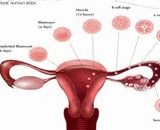
Implantation dysfunction is unfortunately often overlooked as an important cause of IVF failure. In the pursuit of optimizing outcome with IVF, the clinician has a profound responsibility to meticulously assess and address this important issue if IVF success is to be optimized. The expression of pinopodes during the implantation window was observed using scanning electron microscopy in mice with induced ovarian stimulation (OS) and embryo implantation dysfunction (EID). A marked decrease in the number of fully developed pinopodes was observed on the endometrial surface in the OS and EID model mice, which was in accordance with the decreased pregnancy rate and number of embryonic implantation sites when compared with the control.
Organism species: Mus musculus (Mouse)
- Disease model DSI744Mu01 Mouse Model for Embryo Implantation Dysfunction (EID) In Stock
- Customized Service n/a Tissue of Embryo Implantation Dysfunction (EID) (If Necessary) Tissue Customized Service Offer
- Customized Service n/a Serums of Embryo Implantation Dysfunction (EID) (If Necessary) Serums Customized Service Offer
Organism species: Rattus norvegicus (Rat)
- Customized Service n/a Model for Embryo Implantation Dysfunction (EID) Disease Model Customized Service Offer
- Customized Service n/a Tissue of Embryo Implantation Dysfunction (EID) (If Necessary) Tissue Customized Service Offer
- Customized Service n/a Serums of Embryo Implantation Dysfunction (EID) (If Necessary) Serums Customized Service Offer