


Active Fibroblast Growth Factor 7 (FGF7) 

KGF; HBGF7; Keratinocyte Growth Factor; Heparin-binding growth factor 7
- UOM
- FOB US$ 362.00 US$ 905.00 US$ 1,810.00 US$ 5,430.00 US$ 13,575.00
- Quantity
Overview
Properties
- Product No.APA636Hu04
- Organism SpeciesHomo sapiens (Human) Same name, Different species.
- ApplicationsCell culture; Activity Assays.
Research use only - Downloadn/a
- CategoryCytokineTumor immunityInfection immunityDevelopmental sciencePulmonologyDermatology
- Buffer FormulationPBS, pH7.4, containing 0.01% SKL, 5% Trehalose.
- Traits Freeze-dried powder, Purity > 97%
- Isoelectric Point5.9
Sign into your account
Share a new citation as an author
Upload your experimental result
Review

Contact us
Please fill in the blank.
-
 Packages (Simulation)
-
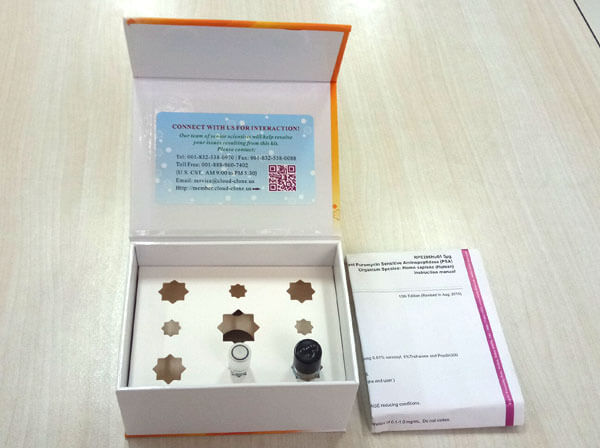 Packages (Simulation)
-
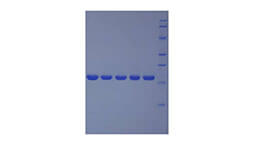
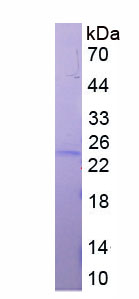 SDS-PAGE
-
 ISO9001: 2008, ISO13485: 2003 Registered
Activity test
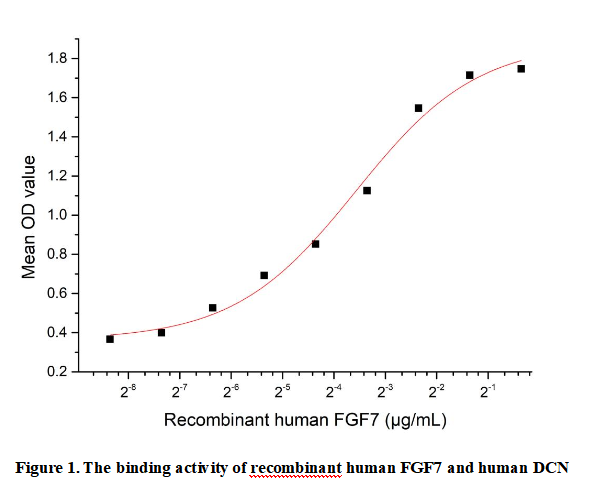
Fibroblast Growth Factor 7 (FGF7), also known as Keratinocyte Growth Factor (KGF), is a member of the fibroblast growth factor family. It is primarily secreted by mesenchymal cells and acts as a paracrine factor to specifically stimulate the proliferation, migration and differentiation of epithelial cells. FGF7 binds to the FGF receptor 2 IIIb isoform on epithelial cell surfaces, activating downstream signaling pathways including MAPK and PI3K/AKT, which regulate tissue repair, skin regeneration and embryonic development. Dysregulation of FGF7 is associated with wound healing disorders, inflammatory skin diseases and tumor progression. FGF7 interacts with Decorin (DCN), a small leucine rich proteoglycan in the extracellular matrix, which modulates its bioavailability and signaling activity. Briefly, DCN was diluted serially in PBS with 0.01% BSA (pH 7.4). Duplicate samples of 100 μl were then transferred to FGF7-coated microtiter wells and incubated for 1h at 37℃. Wells were washed with PBST and incubated for 1h with anti-DCN pAb, then aspirated and washed 3 times. After incubation with HRP labelled secondary antibody for 1h at 37℃, wells were aspirated and washed 5 times. With the addition of substrate solution, wells were incubated 15-25 minutes at 37℃. Finally, add 50 µL stop solution to the wells and read at 450/630nm immediately. Measured by its binding ability in a functional ELISA. When recombinant human FGF7 is lmmobilized at 2 µg/mL(100 µLwell), the concentration of DCN that produces 50% optimal binding response is found to be approximately 0.013 µg/mL.
Usage
Reconstitute in 10mM PBS (pH7.4) to a concentration of 0.1-1.0 mg/mL. Do not vortex.
Storage
Avoid repeated freeze/thaw cycles. Store at 2-8°C for one month. Aliquot and store at -80°C for 12 months.
Stability
The thermal stability is described by the loss rate. The loss rate was determined by accelerated thermal degradation test, that is, incubate the protein at 37°C for 48h, and no obvious degradation and precipitation were observed. The loss rate is less than 5% within the expiration date under appropriate storage condition.
Increment services
-
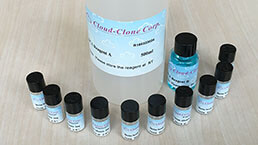 BCA Protein Quantification Kit
-
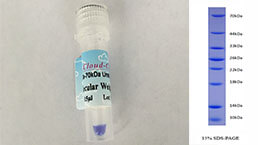 Molecular Mass Marker for Protein
-
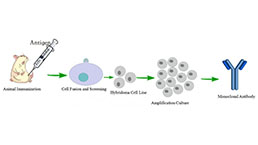 Monoclonal Antibody Customized Service
-
 Polyclonal Antibody Customized Service
-
 Protein Activity Test Experiment Service
-
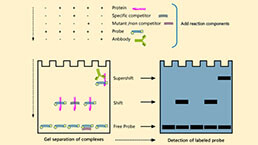 Electrophoretic Mobility Shift Assay (EMSA) Experiment Service
-
 Buffer
-
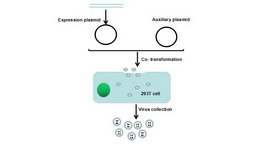 Lentivirus Packaging Experiment Service
-
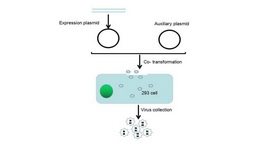 Adenovirus Packaging Experiment Service
-
 Real Time PCR Experimental Service
-
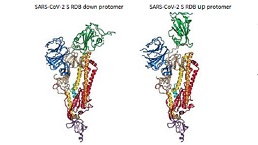 Spike RBD Protein (S-RBD)
-
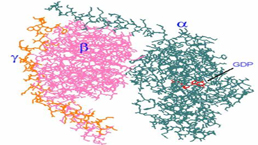 Protein G
-
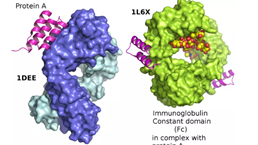 Protein A
Citations
- A DPP-IV-resistant glucagon-like peptide-2 dimer with enhanced activity against radiation-induced intestinal injurypubmed:28522195
- Involvements of γδT Lymphocytes in Acute and Chronic Skin Wound Repair.pubmed:28540539