


Monoclonal Antibody to Cyclin Dependent Kinase 1 (CDK1) 

CDC2; CDC28A; CDK1; CDC28-A; CDKN1; P34CDC2; p34 protein kinase; Cell Division Control Protein 2 Homolog; Cell Division Cycle 2,G1 To S And G2 To M
Overview
Properties
- Product No.MAB888Hu22
- Organism SpeciesHomo sapiens (Human) Same name, Different species.
- ApplicationsWB
If the antibody is used in flow cytometry, please check FCM antibodies.
Research use only - DownloadInstruction Manual
- CategorySignal transductionEnzyme & KinaseTumor immunityNeuro science
- SourceMonoclonal antibody preparation, Host Mouse
- Ig Isotype IgG1 Kappa, Clone Number C15
- PurificationProtein A + Protein G affinity chromatography
- LabelNone
- Immunogen RPB888Hu01-Recombinant Cyclin Dependent Kinase 1 (CDK1)
- Buffer Formulation0.01M PBS, pH7.4, containing 0.05% Proclin-300, 50% glycerol.
- TraitsLiquid, Concentration 1mg/mL
Sign into your account
Share a new citation as an author
Upload your experimental result
Review

Contact us
Please fill in the blank.
-
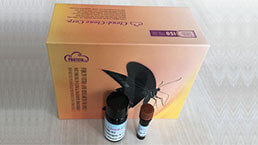
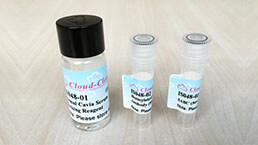
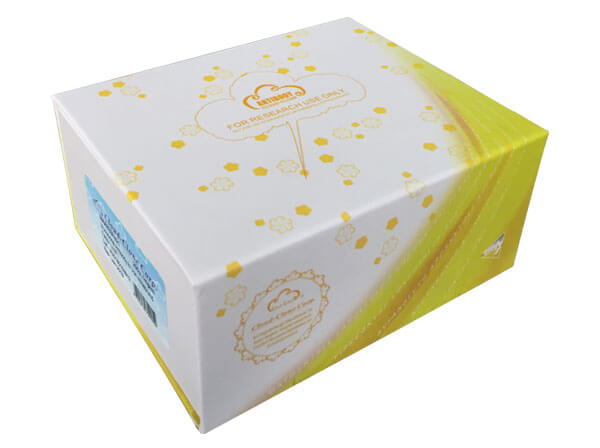 Packages (Simulation)
-
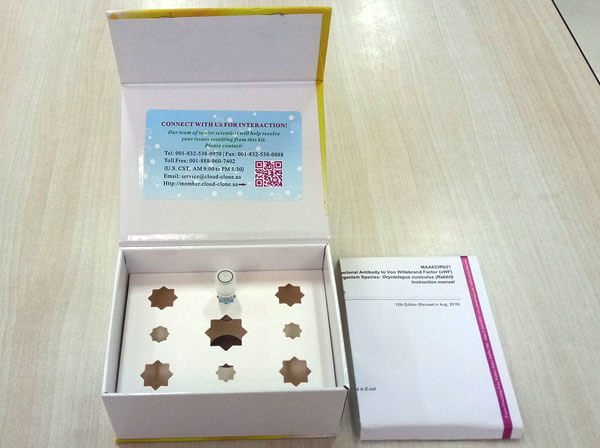 Packages (Simulation)
-
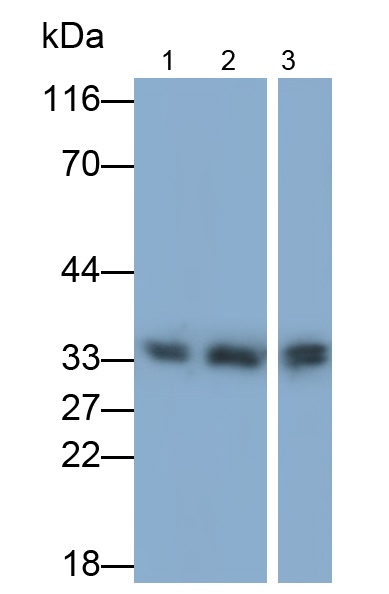 Western Blot; Samples: Lane1: Hela cell lysate; Lane2: Jurkat cell lysate; Lane3: 293T cell lysate;
Primary Ab: 0.2µg/ml Mouse Anti-Human CDK1 Antibody
Second Ab: 0.2µg/ml HRP-Linked Caprine Anti-Mouse IgG Polyclonal Antibody
(Catalog: SAA544Mu19)
-
 ISO9001: 2008, ISO13485: 2003 Registered
Specifity
The antibody is a mouse monoclonal antibody raised against CDK1. It has been selected for its ability to recognize CDK1 in immunohistochemical staining and western blotting.
Usage
Western blotting: 0.1-2µg/mL;
Optimal working dilutions must be determined by end user.
Storage
Store at 4°C for frequent use. Stored at -20°C in a manual defrost freezer for two year without detectable loss of activity. Avoid repeated freeze-thaw cycles.
Stability
The thermal stability is described by the loss rate. The loss rate was determined by accelerated thermal degradation test, that is, incubate the protein at 37°C for 48h, and no obvious degradation and precipitation were observed. The loss rate is less than 5% within the expiration date under appropriate storage condition.
Giveaways
Increment services
-
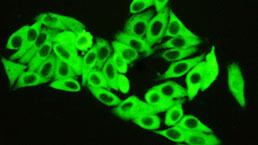 Antibody Labeling Customized Service
-
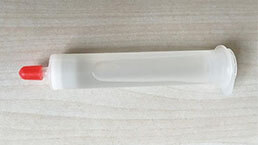 Protein A/G Purification Column
-
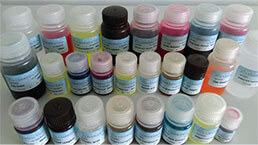 Staining Solution for Cells and Tissue
-
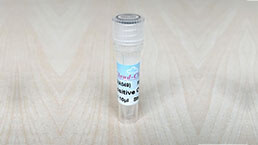 Positive Control for Antibody
-
 Tissue/Sections Customized Service
-
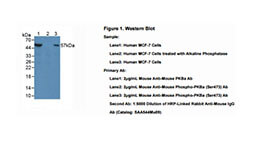 Phosphorylated Antibody Customized Service
-
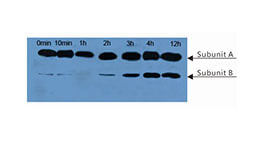 Western Blot (WB) Experiment Service
-
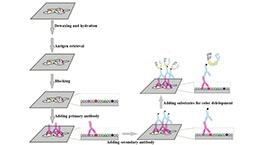 Immunohistochemistry (IHC) Experiment Service
-
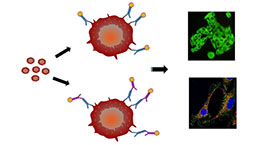 Immunocytochemistry (ICC) Experiment Service
-
 Flow Cytometry (FCM) Experiment Service
-
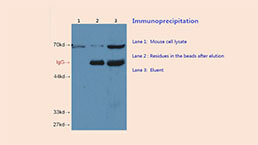 Immunoprecipitation (IP) Experiment Service
-
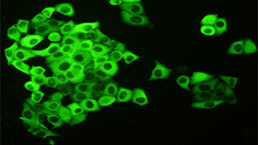 Immunofluorescence (IF) Experiment Service
-
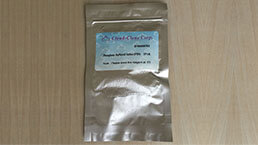 Buffer
-
 DAB Chromogen Kit
-
 SABC Kit
-
 Long-arm Biotin Labeling Kit
-
 Real Time PCR Experimental Service