


Anti-Surfactant Protein C (SP-C) Polyclonal Antibody 

SFTPC; PSP-C; SFTP2; SPC; SP5; Surfactant Associated Protein C; Pulmonary Surfactant Protein C; Pulmonary surfactant-associated proteolipid SPL(Val)
- UOM
- FOB US$ 120.00 US$ 200.00 US$ 320.00 US$ 400.00 US$ 700.00
- Quantity
Overview
Properties
- Product No.FAB623Hu01
- Organism SpeciesHomo sapiens (Human) Same name, Different species.
- ApplicationsFCM
Research use only - Downloadn/a
- CategoryTumor immunityInfection immunityPulmonology
- Ig Type IgG, Potency n/a
- PurificationAntigen-specific affinity chromatography followed by Protein A affinity chromatography
- LabelNone
- Excitation Laser
- Vol. per test
- Buffer Formulation0.01M PBS, pH7.4, containing 0.05% Proclin-300, 50% glycerol.
- TraitsLiquid
Share your citation
Upload your experimental result
Review
Leave a message
Loading...
Sign into your account
Share a new citation as an author
Upload your experimental result
Review
Please attach serial No. on instruction manual

Contact us
Please fill in the blank.
Name*
Organization
Address
E-mail address*
Telephone
Inquiry*
Verification code*

-
 Packages (Simulation)
-
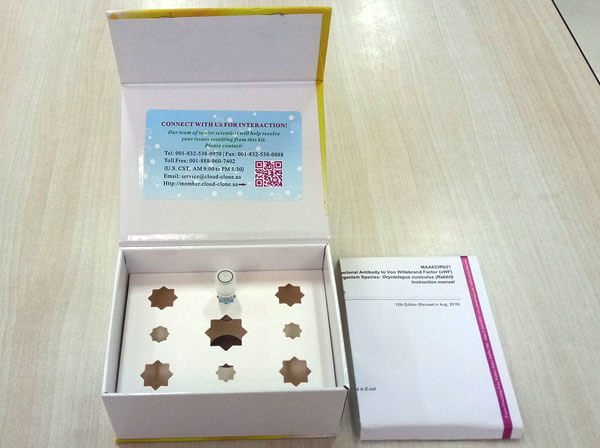 Packages (Simulation)
-
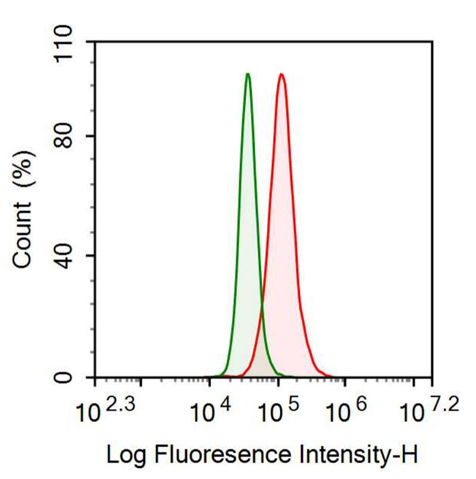 Human A549 cell line was fixed with 2% paraformaldehyde (10 min) , permeabilised with 0.1% BSA-Triton X-100,then stained with 20µg/ml rabbit Anti-human SP-C Polyclonal Antibody (Catalog FAB623Hu01, red histogram) or Isotype control antibody (Catalog IS067-Rb01, green histogram), followed by 1µg/ml FITC-conjugated Anti-rabbit IgG Secondary Antibody (Catalog SAA544Rb18).
-
 ISO9001: 2008, ISO13485: 2003 Registered
Usage
Flow cytometry: 20µg/ml;
Optimal working dilutions must be determined by end user.
Storage
Store at 4°C for frequent use. Stored at -20°C in a manual defrost freezer for one year without detectable loss of activity. Avoid repeated freeze-thaw cycles.
Giveaways
Increment services
-
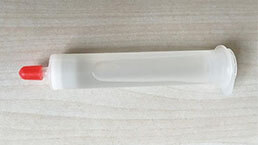 Protein A/G Purification Column
-
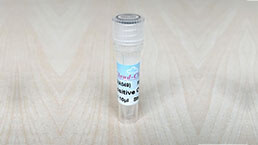 Positive Control for Antibody
-
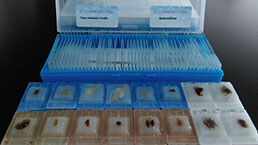 Tissue/Sections Customized Service
-
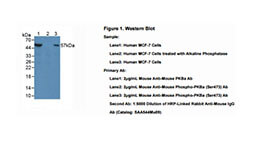 Phosphorylated Antibody Customized Service
-
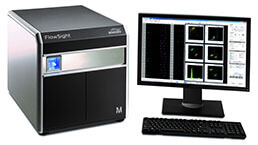 Flow Cytometry (FCM) Experiment Service
-
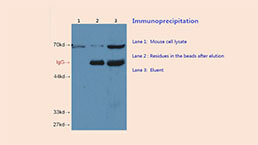 Immunoprecipitation (IP) Experiment Service
-
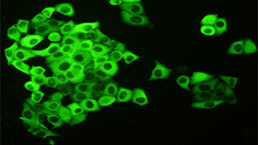 Immunofluorescence (IF) Experiment Service
-
 Buffer
-
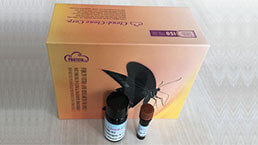 DAB Chromogen Kit
-
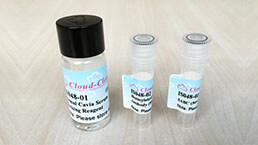 SABC Kit
-
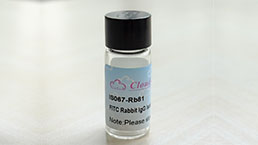 Isotype Control
-
 Real Time PCR Experimental Service
Citations
- Detection of surfactant proteins A, B, C, and D in human nasal mucosa and their regulation in chronic rhinosinusitis with polypsPubMed: 23406594
- Staphylococcus aureus and Pseudomonas aeruginosa Express and Secrete Human Surfactant ProteinsPubMed: PMC3551896
- The Detection of Surfactant Proteins A, B, C and D in the Human Brain and Their Regulation in Cerebral Infarction, Autoimmune Conditions and Infections of the CNSPubMed: PMC3787032
- Nachweis und Charakterisierung des Oberfl?chenproteins PLUNC (Palate, Lung and Nasal Clone Protein) an der Augenoberfl?che und Bedeutung für das Trockene AugeOpus4:Source
- Autophagy regulates hyperoxia-induced intracellular accumulation of surfactant protein C in alveolar type II cellsPubMed: 26122393
- Serum Levels of Surfactant Proteins in Patients with Combined Pulmonary Fibrosis and Emphysema (CPFE)Pubmed:27337142
- The Cerebral Surfactant System and Its Alteration in HydrocephalicConditions.pubmed:27656877
- Correlations of Ventricular Enlargement with Rheologically Active SurfactantProteins in Cerebrospinal Fluid.pubmed:28101052
- Correlations of Ventricular Enlargement with Rheologically Active Surfactant Proteins in Cerebrospinal FluidPMC5209370
- Chronic lung injury and impaired pulmonary function in a mouse model of acid ceramidase deficiency.pubmed:29167126
- Effects and molecular mechanisms of intrauterine infection/inflammation on lung developmentPubmed:29747649
- Serum Surfactant Protein Levels in Patients Admitted to the Hospital with Acute COPD ExacerbationPubmed:29445934
- Rheologically Essential Surfactant Proteins of the CSF Interacting with Periventricular White Matter Changes in Hydrocephalus Patients–Implications for CSF …Doi: 10.1007/s12035-019-01648-z
- Adipose Tissue-Derived Stem Cells Have the Ability to Differentiate into Alveolar Epithelial Cells and Ameliorate Lung Injury Caused by Elastase-Induced Emphysema …
- Efficient Differentiation of Mouse Induced Pluripotent Stem Cells into Alveolar Epithelium Type II with a BRD4 InhibitorPubmed: 31949433